This podcast transcript highlights how frequent menu updates and strategic design can significantly increase a restaurant's profitability and customer retention. By introducing seasonal ingredients and trending flavors, businesses create a sense of urgency and variety that keeps diners engaged throughout the year. The source emphasizes that menu psychology, such as using descriptive language and optimal layout placement, directly influences consumer spending habits. Additionally, the content suggests that removing underperforming items helps management control costs and improve overall efficiency. Modern tools like Foodcus are recommended to help owners analyze sales data and automate these transitions seamlessly. Ultimately, the text argues that a dynamic menu is a vital tool for staying competitive and relevant in the food industry.
Watch Our Podcast:
How can seasonal menu changes create urgency for customers?
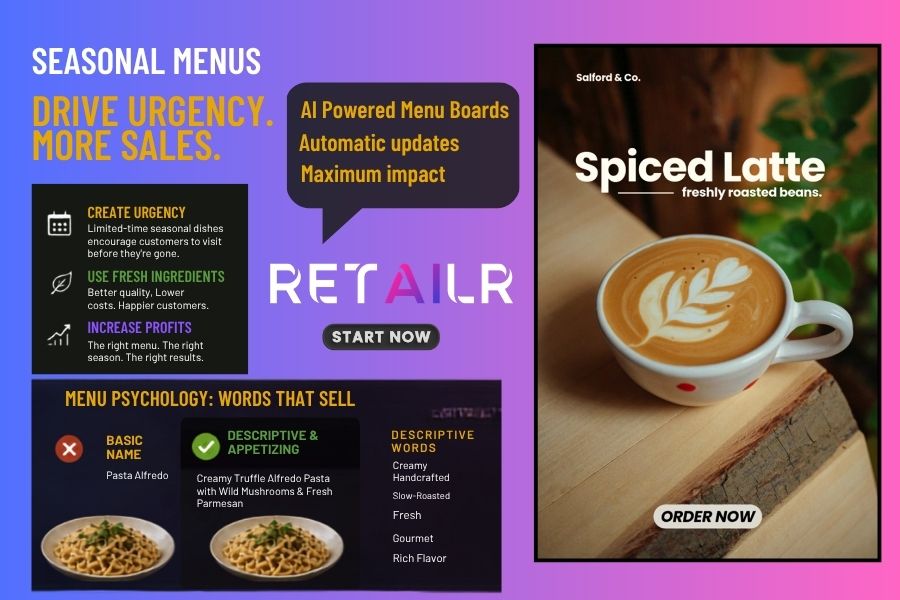
Seasonal menu items create a sense of urgency because customers know they are only available for a limited time.
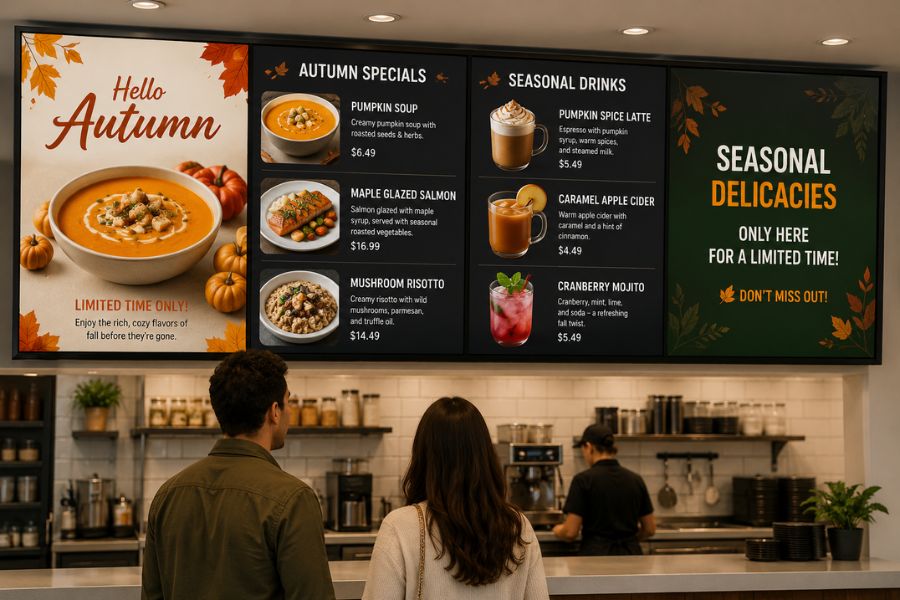
By offering dishes that reflect the specific time of year—such as lighter, refreshing meals in the summer, cozy flavors in the fall, or hearty stews in the winter—you tap into seasonal cravings. Because customers realize these special items won't be on the menu forever, they are encouraged to visit your restaurant more frequently before the dishes are gone.
What specific menu items work best for different seasons?
To appeal to changing customer cravings throughout the year, here are the types of menu items that work best for each season:
Summer
Customers prefer lighter, refreshing options, making salads, cold pastas, and citrus-based drinks ideal choices.
Fall
Warm and cozy flavors tend to perform best, such as items featuring pumpkin, squash, and spiced beverages.
Winter
Hearty and comforting meals are the main draw, so stews, roasts, and festive holiday dishes are highly effective.
Spring
To reflect a sense of renewal, spring menus should highlight fresh herbs, seafood, and bright, colorful dishes.
In addition to satisfying seasonal cravings, utilizing fresh, in-season ingredients can also help improve your food quality while reducing costs.
How can descriptive language influence what customers order?
Using descriptive language is a crucial element of menu psychology that plays a massive role in influencing what customers order.
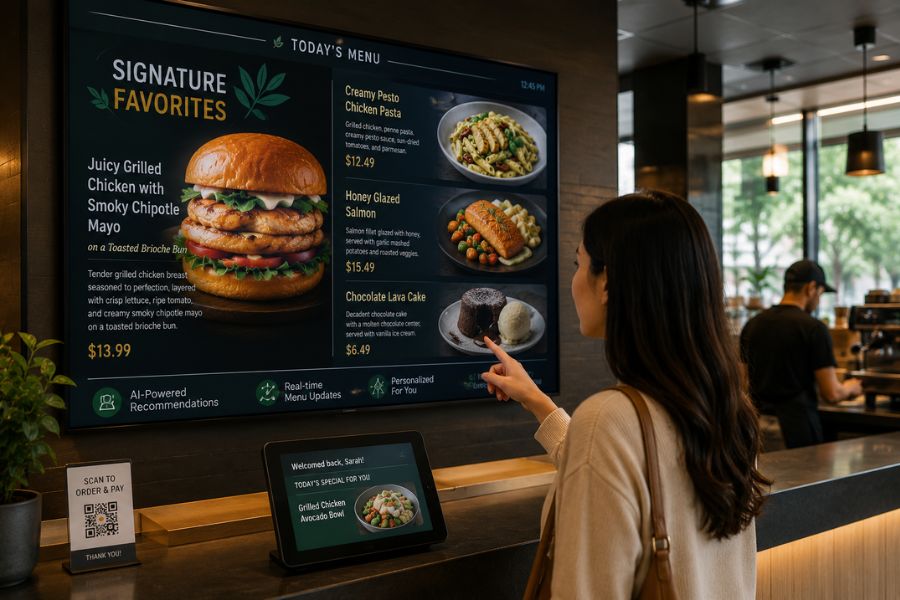
Rather than using basic names for dishes, expanding the description makes the food sound significantly more appetizing and enticing to the reader. For example, instead of simply calling an item a "Chicken Sandwich," you can boost its appeal by describing it as "Juicy Grilled Chicken with Smoky Chipotle Mayo on a Toasted Brioche Bun".
How can I use menu layout to highlight high-profit items?
To effectively use your menu's layout to highlight high-profit items, you should focus on visual emphasis and strategic placement:
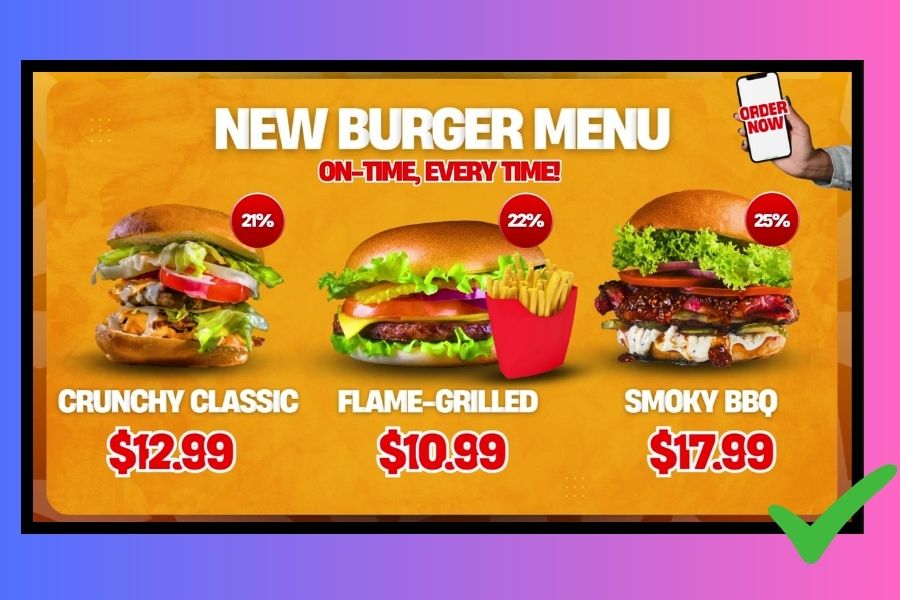
Utilize visual cues: You can draw a customer's attention directly to your most profitable dishes by using boxes, bold fonts, or creating special sections on the menu.
Optimize placement for natural eye movement: It is highly effective to place high-margin items in the top-right section of your menu, as menu psychology suggests this is the spot where a reader's eyes naturally go first.
When you combine these layout techniques with the descriptive language strategies we discussed earlier, you can effectively guide your customers toward ordering the dishes that benefit your bottom line the most.
What is charm pricing and how does it affect sales?
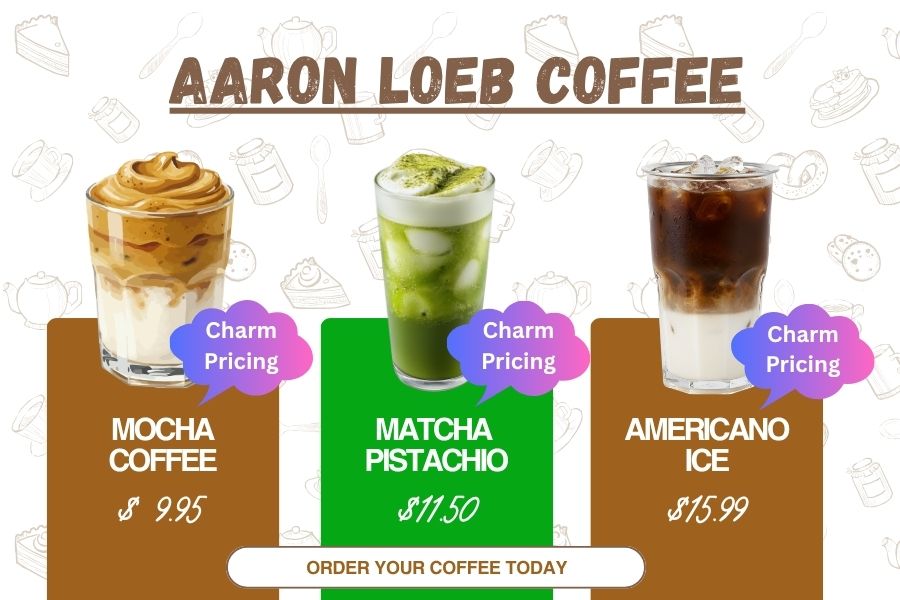
Charm pricing is a strategic pricing technique where you list an item's cost just below a round number, such as pricing a dish at $9.95 instead of $10.00.
This tactic affects sales by playing on menu psychology to make items appear cheaper to the customer. Much like the layout strategies and descriptive language we discussed earlier, charm pricing helps reduce a customer's price sensitivity—especially if you also remove the dollar signs ($) from your menu.
How does Retailr AI help automate my seasonal menu updates?
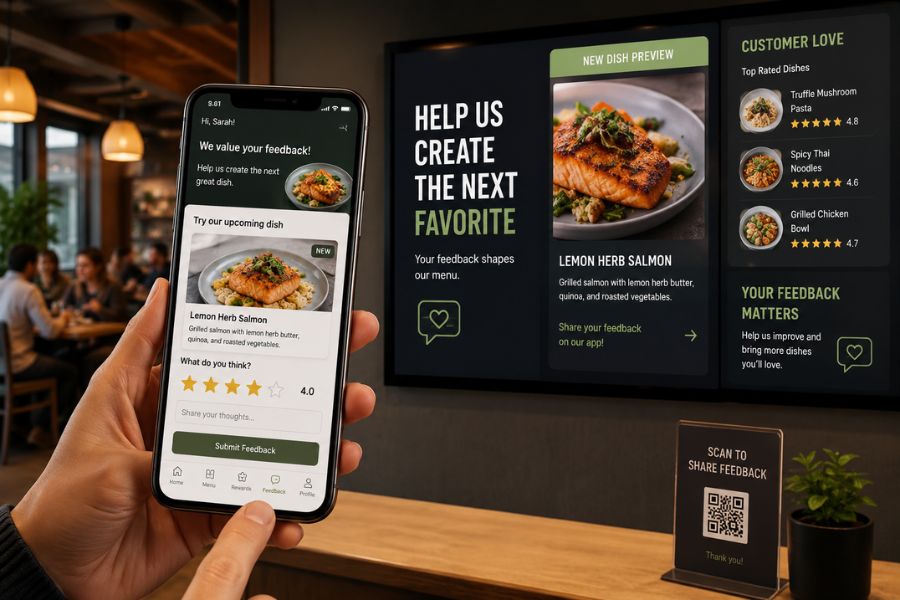
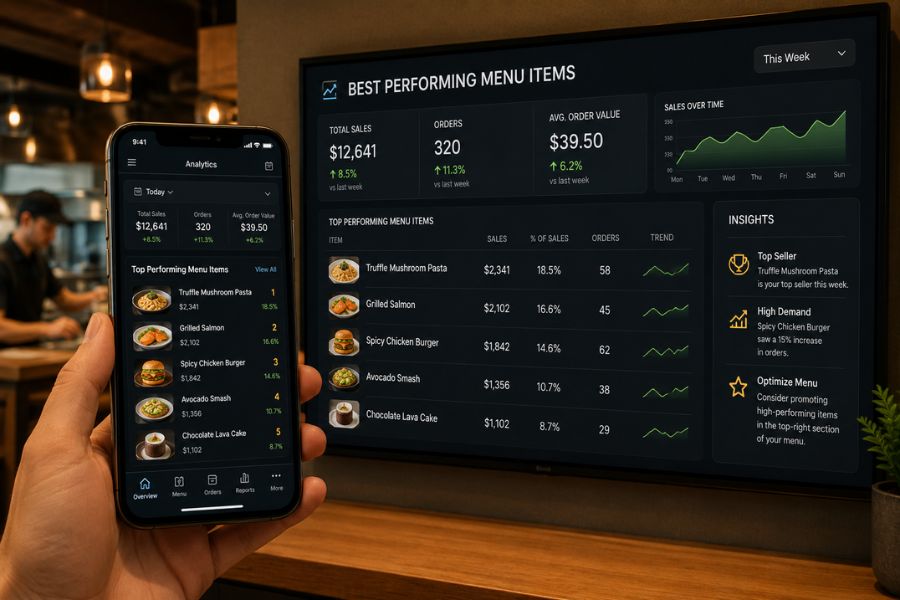
Retailr AI helps you manage and optimize your restaurant's offerings by allowing you to analyze sales data to identify which menu items are performing best. Additionally, the platform enables you to test new dishes using customer feedback, which helps you stay ahead of food trends and automate your seasonal menu updates with ease
How can I use customer feedback to test new dishes?
According to the sources, you can use the Retailr AI platform to test new dishes with customer feedback. As discussed previously, doing this allows you to stay ahead of food trends and optimize your restaurant's offerings.
Please note that the provided sources do not offer specific details on exactly how to collect or implement this feedback—such as using surveys, tasting events, or rating systems—beyond utilizing the Retailr AI tool.
How can I identify my best performing menu items?
To identify your best-performing menu items, you can analyze your restaurant's sales data using the Retailr AI platform. By reviewing this data, you can pinpoint exactly which dishes are the most popular and profitable for your business.
Once you have identified these high-performing and high-margin items, you can apply the menu design strategies we discussed earlier—such as placing them in the top-right section of your menu or highlighting them with boxes and bold fonts—to draw customers' attention and further boost your sales. Additionally, knowing your best performers makes it easier to spot and remove underperforming dishes, which improves your overall cost management and profitability.
How can I reduce decision fatigue for my customers?
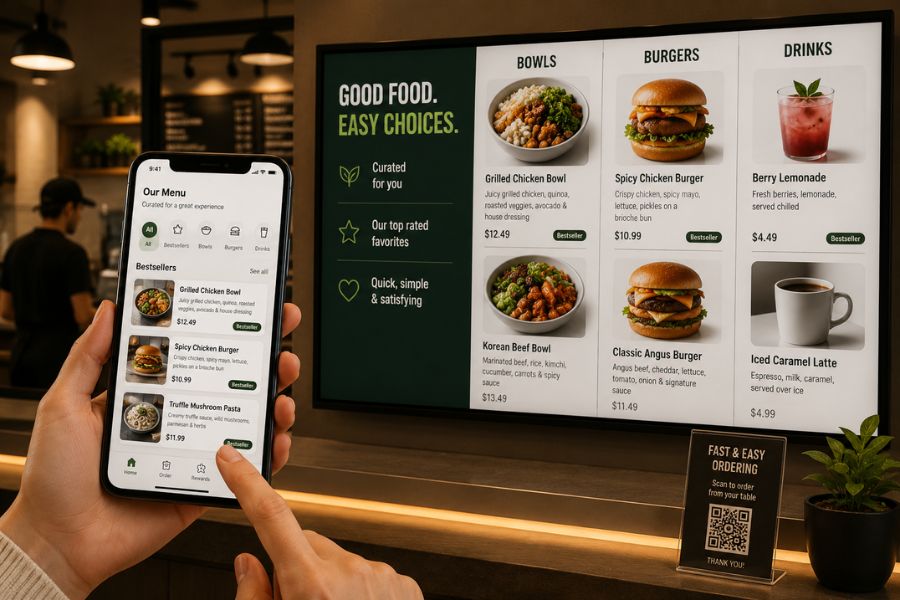
To reduce decision fatigue for your customers, you should limit the number of choices on your menu.
Offering a menu with too many options can easily overwhelm diners. Instead, it is best to stick to a well-curated selection of dishes. By combining this focused approach with the strategic menu layout techniques we discussed earlier—such as highlighting your best-performing items with bold fonts or placing them in the top-right corner—you can streamline the decision-making process and make ordering a much easier experience for your guests.
How can I incorporate dietary preferences into my menu?
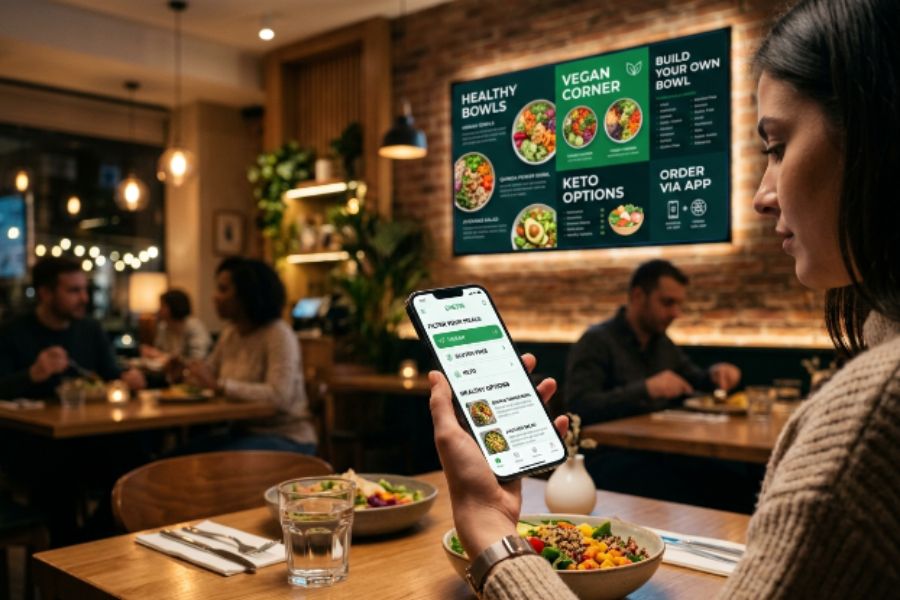
To incorporate dietary preferences into your menu, you should periodically update your offerings to include dishes that cater to evolving customer needs. For example, as eating habits change, you can add specific options such as gluten-free, vegan, or keto meals.
By integrating these dietary options during your regular menu updates—just as you would when swapping in the seasonal ingredients or testing new trends we discussed earlier—you ensure that your restaurant can accommodate a wider variety of diners.