Gen Z Retail Expectations: Experiences, Technology, and Brand Values

Gen Z's Retail Expectations: Experiences, Tech, and Values

This article explores the evolving shopping preferences of Gen Z, highlighting how this generation values immersive physical experiences over simple digital transactions. While they are comfortable with technology, these young consumers seek retail spaces that function as social hubs where they can interact with products and participate in community events. They prioritize brands that demonstrate ethical transparency and social responsibility, often favoring companies that align with their personal values. Furthermore, the text emphasizes the necessity for seamless technological integration, such as smart mirrors and mobile payments, to bridge the gap between online and offline shopping. Ultimately, successful retailrs must create visually striking environments that are conducive to content creation and foster a sense of belonging. Through these various strategies, stores can transform into dynamic destinations that satisfy the unique demands of modern, digitally-native shoppers.

Watch Our Podcast:

How can retailers blend physical stores with Gen Z's digital habits?

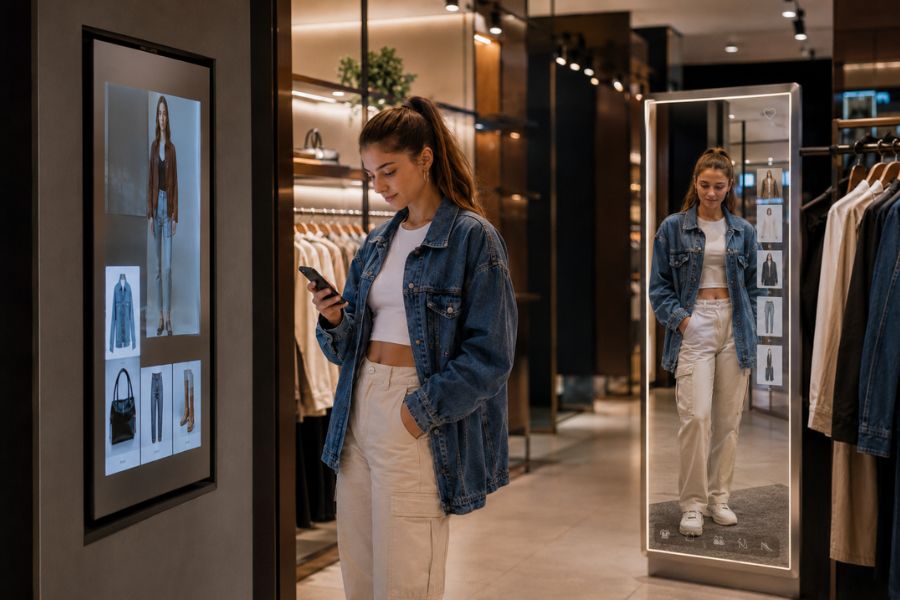
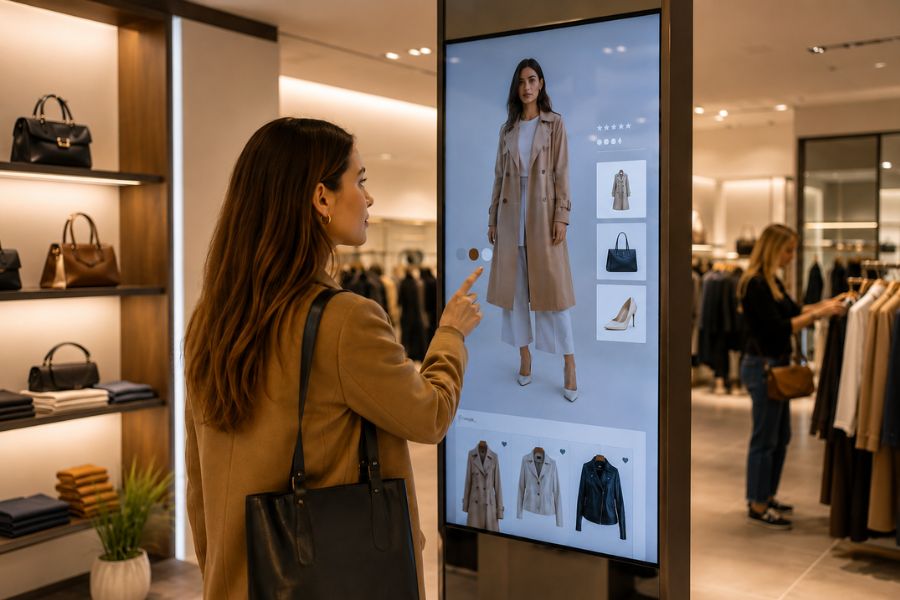
Retailrs can successfully blend physical stores with Gen Z's digital habits by creating a smooth, digitally integrated in-store journey. To achieve this, stores should focus on:
How can retailers blend physical stores with Gen Z's digital habits?
Interactive and Immersive Technologies
By ensuring that everything is seamlessly connected without friction, retailers can create the interactive and digital-friendly environment that Gen Z craves.

What kind of in-store events best foster community for Gen Z?
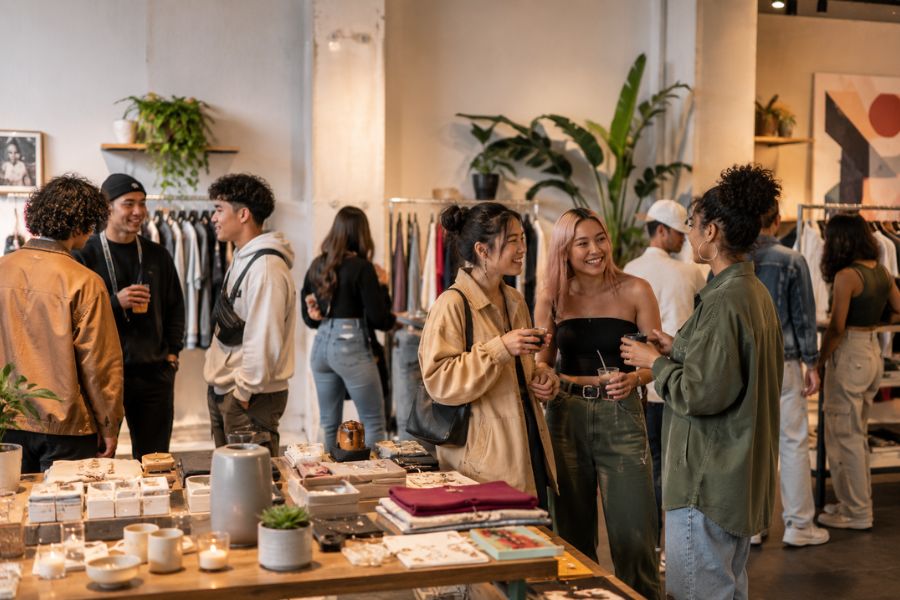
Gen Z values belonging and connection, viewing shopping not just as an errand, but as a chance for a shared experience. To best foster this sense of community, retailers should shift away from traditional sales floors and treat their stores as "mini-adventures or hangouts". The sources highlight several specific types of in-store events that achieve this:
Workshops

Hosting interactive sessions allows Gen Z to gather and engage in hands-on activities together.

Creator collab launches

Partnering with creators for special product launches builds an exciting, shared social event for fans and shoppers.

Live entertainment and art

Hosting in-store music or art shows transforms the retail space into a cultural hub where people can connect over shared interests.

Pop-up events

These create temporary, engaging, and exclusive experiences that naturally draw people together.

Additionally, providing chill zones equipped with music, coffee, or art encourages Gen Z to stick around, socialize, and treat the store as a social playground. By prioritizing these types of engaging events, retailers can successfully create environments that foster community rather than just commerce

How can retailers showcase sustainability and ethical values in-store?
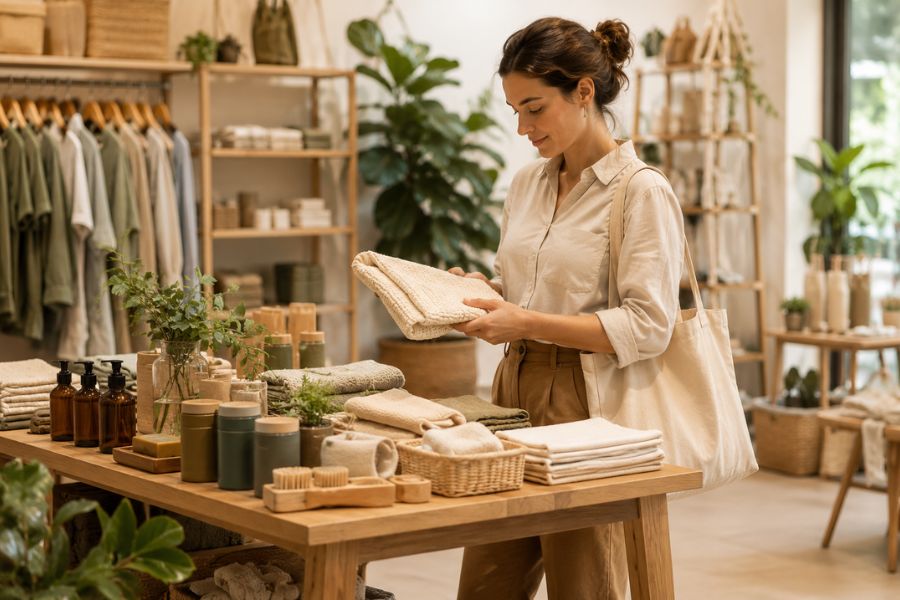
To successfully showcase sustainability and ethical values in-store, retailers need to prioritize transparency and storytelling. Because Gen Z shops with their conscience, retailers should move beyond simply displaying price tags and instead tell a "transparent story behind every product". By clearly communicating the brand's commitment to ethical sourcing, sustainability, diversity, and inclusion, stores can build trust and authenticity. When retailers effectively highlight these values within the physical store environment, Gen Z shoppers are more likely to support them and are even willing to pay more for products that align with their personal convictions

How can stores use QR codes to tell product stories?
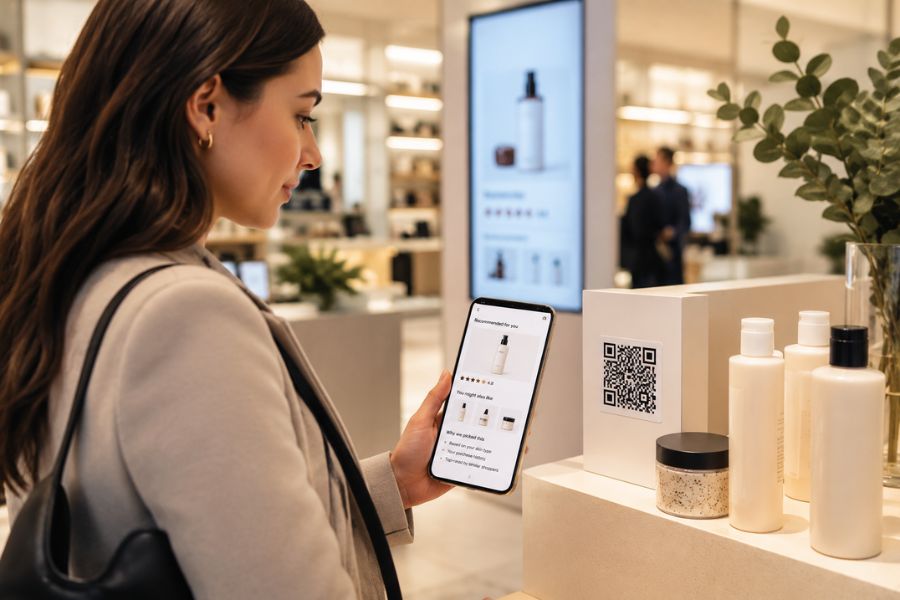
Stores can use QR codes to give shoppers instant access to product information and online reviews. By integrating these codes, retailers can go beyond just displaying a price tag and instead tell a "transparent story" behind every item. This provides a seamless way to digitally share the authenticity and values that Gen Z cares deeply about, such as details regarding a brand's commitment to ethical sourcing, sustainability, diversity, and inclusion.
How can QR codes provide personalized recommendations in-store?

What kind of data should QR codes include for Gen Z?
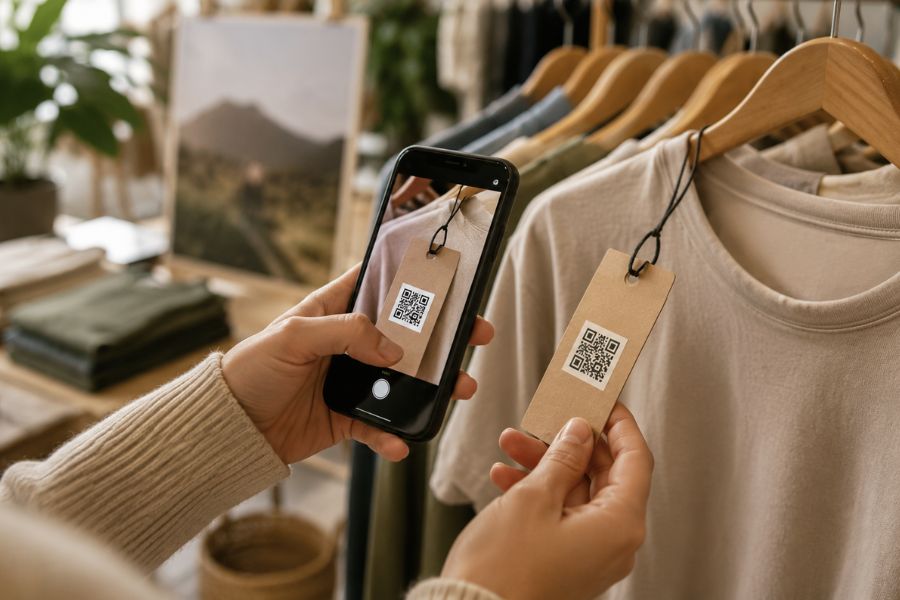
instant product info and reviews. Because this generation shops with their conscience, the data provided should also tell a transparent story behind every product, rather than just displaying the price tag. This means including information that highlights the brand's authenticity and values, such as its commitment to ethical sourcing, sustainability, and diversity and inclusion.
What kind of data should QR codes include for Gen Z?

How can AR mirrors enhance the storytelling experience?
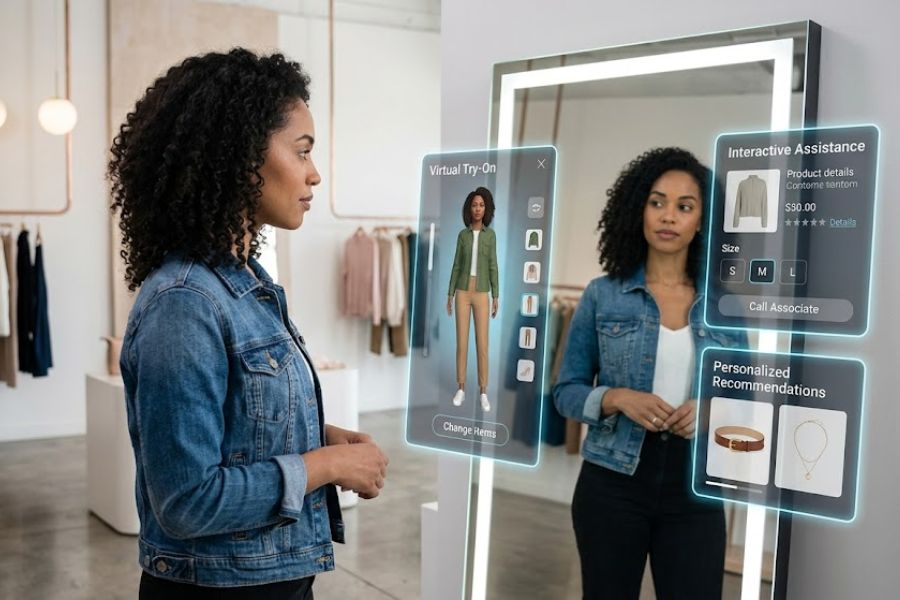
The provided sources do not explicitly explain how AR mirrors enhance the storytelling experience. Instead, the sources categorize AR mirrors under "Tech-Enhanced Shopping," using them as a way to make physical stores as smart as the smartphones Gen Z relies on, ultimately creating a seamless, digitally integrated journey. The sources also note that "cool mirrors" can contribute to a store's aesthetics, providing "Instagrammable moments" that turn the retail environment into a content creation space. When it comes to actual storytelling, the sources emphasize that retailers should tell a "transparent story" behind their products to highlight their authenticity and values, such as ethical sourcing and sustainability. As we discussed earlier, this transparent storytelling is specifically linked to other tech tools like QR codes, which give shoppers instant access to product details.
How do Smart Mirrors enhance the retail experience

How can smart fitting rooms improve the digital shopping journey?
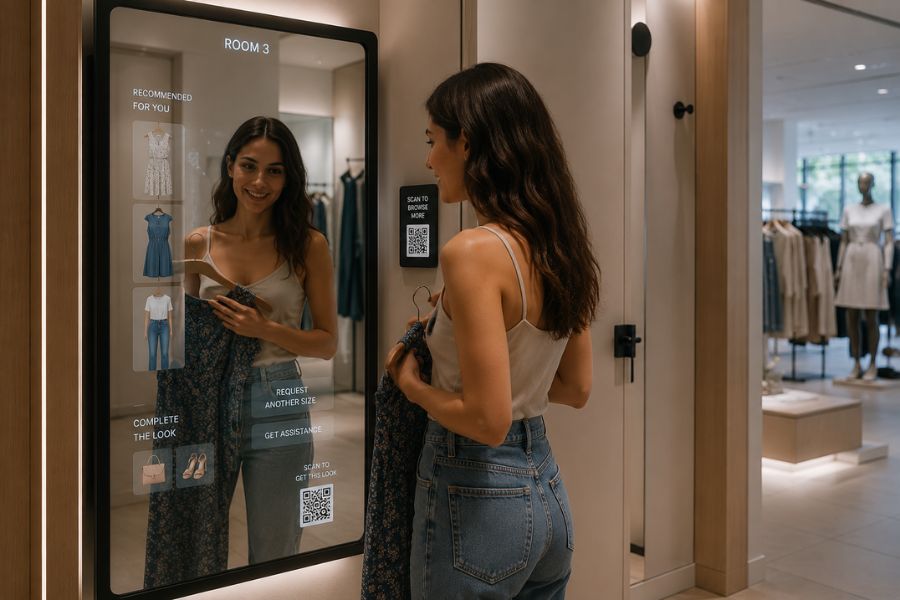
While the provided sources do not explain the specific mechanics of how smart fitting rooms operate, they identify them as a key feature of "Tech-Enhanced Shopping". Gen Z expects physical retail spaces to be "as smart as their phones". By integrating technologies like smart fitting rooms—along with AR mirrors and QR codes—retailers can fulfill this expectation and deliver a "smooth, digitally integrated in-store journey

How can retailers offer seamless omnichannel fluidity for shoppers?
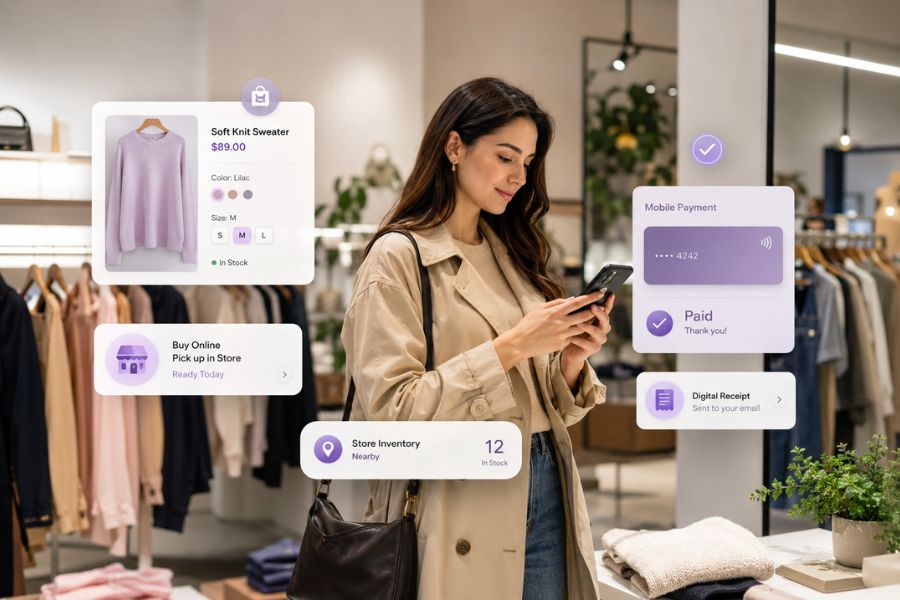
Retailers can offer seamless omnichannel fluidity by eliminating the divide between online and offline shopping and ensuring the experience is connected without friction. To achieve this, stores should implement the following features:
Flexible Purchasing

Allow shoppers to seamlessly try items in-store and buy them online, or vice versa.

App Integration

Provide real-time store inventory on mobile apps so customers always know what is available.

Digital Transactions

Offer instant mobile pay options and provide digital receipts at checkout.

By connecting all of these elements seamlessly, retailers can deliver the frictionless omnichannel experience that Gen Z shoppers expect.

How can retailers remove clunky POS systems for faster checkout?
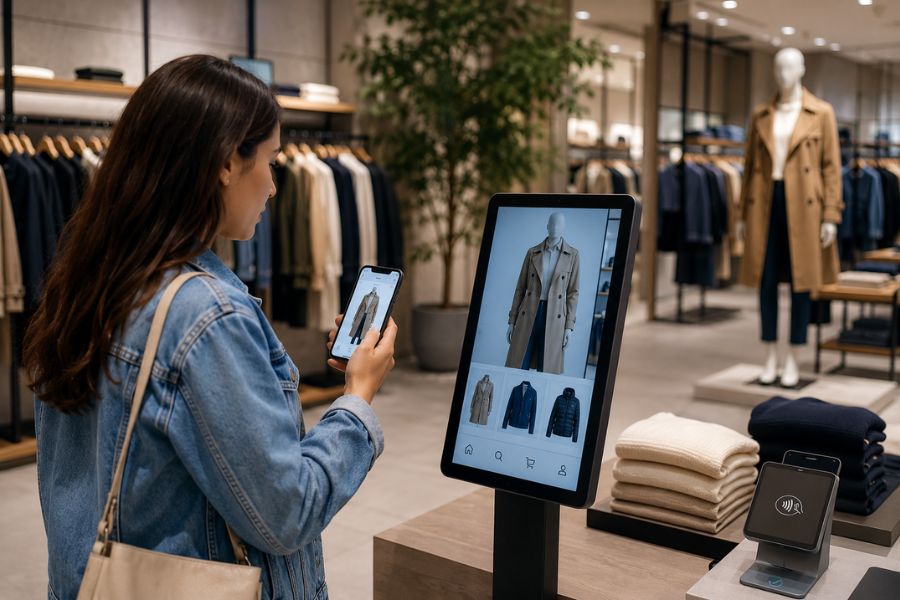
Retailers can eliminate clunky point-of-sale (POS) systems and long waiting lines by implementing "tap, scan, and go" payment options. To further speed up the checkout process and provide the omnichannel fluidity that Gen Z expects, stores should also offer instant mobile pay and provide digital receipts. This approach ensures a seamless, frictionless transaction that seamlessly integrates with their digital habits.

What are some ways to create Instagrammable moments in-store?

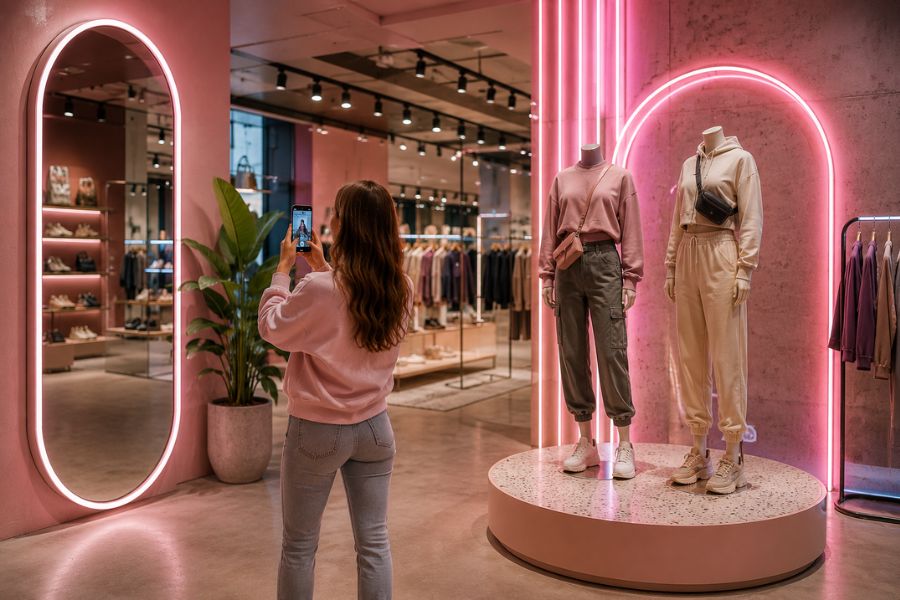
To create Instagrammable moments in-store, retailers must recognize that aesthetics are crucial to Gen Z shoppers; if a space isn't photogenic, they won't share it online. Stores can create these highly shareable moments by incorporating specific visual elements such as:
By integrating these visually appealing features, retailers can transform their physical locations into content creation spaces rather than just traditional sales floors. As we noted in earlier discussions, designing spaces that cater to Gen Z's social media habits not only enhances their in-store experience but also serves as highly effective free marketing for the brand when shoppers post these moments to their digital feeds

How do chill zones with music or art attract shoppers?
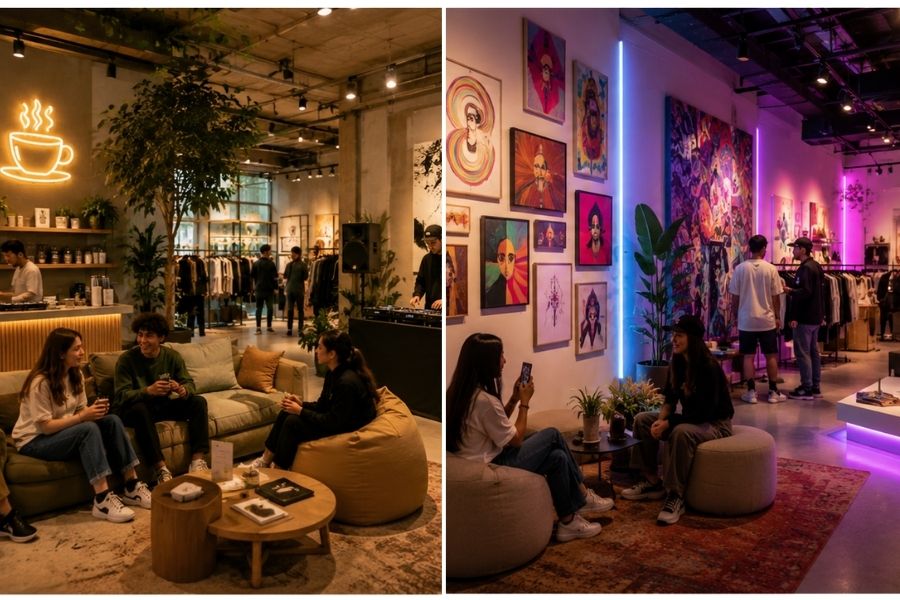
Chill zones equipped with music, coffee, or art attract Gen Z shoppers by catering to their desire for experiences over simple transactions. Rather than viewing shopping as a mere errand, this demographic treats in-store visits as mini-adventures or hangouts. As we discussed earlier regarding how retailers can foster community, integrating these relaxed spaces helps transform a traditional sales floor into a social playground. By providing dedicated areas to socialize and relax, retailers satisfy Gen Z's craving to feel something during their visit, which effectively draws them offline and into the physical store.

What hands-on workshops are popular with Gen Z?
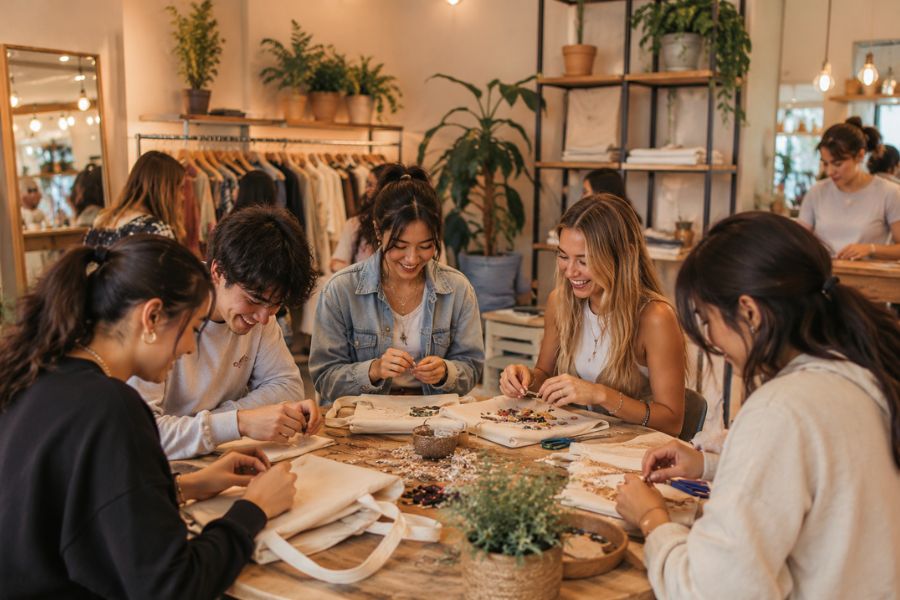
The provided sources do not specify the exact types or topics of hands-on workshops that are popular with Gen Z. However, they emphasize that Gen Z generally loves workshops because this demographic deeply values belonging and connection. Providing these interactive sessions allows retailers to turn shopping into a "shared experience," helping to create spaces that foster community rather than just focusing on commerce.

How can retailers identify popular topics for community workshops?

Based on the provided sources, there is no specific information on the methods or strategies retailers should use to identify popular topics for community workshops.
The sources do highlight, however, that Gen Z loves workshops because they value "belonging and connection". While the exact process for choosing workshop topics isn't detailed, the text suggests that this demographic generally enjoys events that turn shopping into a "shared experience," such as "collab launches with creators," "in-store music or art shows," and "chill zones" featuring art or music.
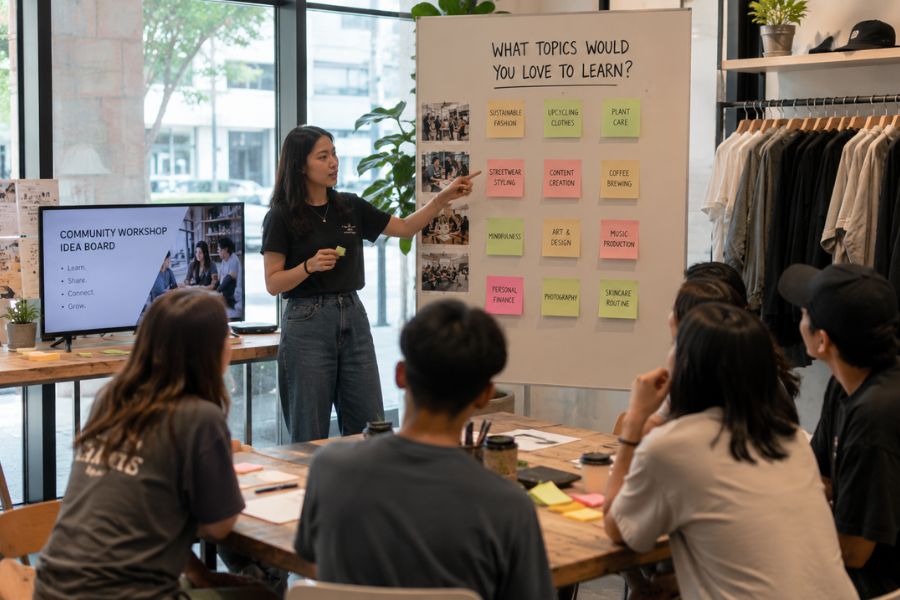
How can retailers identify popular topics for community workshops?

How do creator collab launches help build brand community?
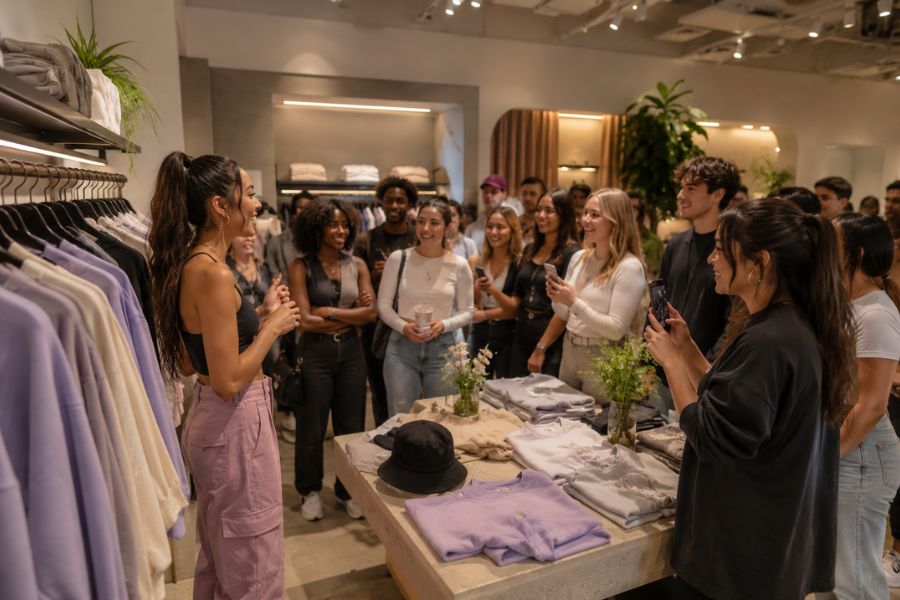
Creator collab launches help build brand community by appealing directly to Gen Z's strong desire for belonging and connection. When retailers host these launches, they shift the focus away from simple commerce and instead use their physical retail spaces to foster community. As we discussed earlier regarding in-store events, collab launches successfully transform a standard shopping errand into a shared experience. By bringing fans and shoppers together for these exclusive events, brands can create the interactive and social environment that Gen Z shoppers crave.

How do music and art shows foster community vibes?
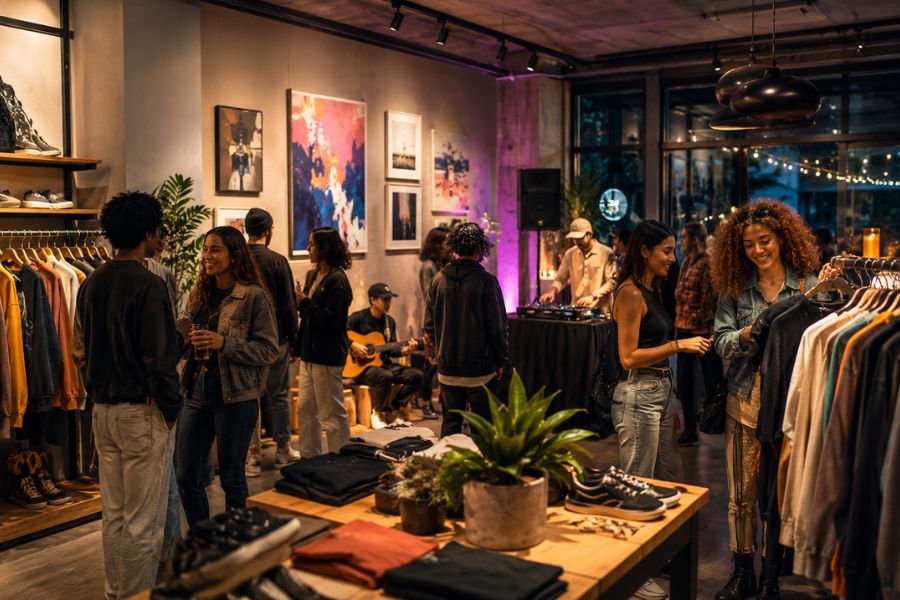
In-store music and art shows foster community vibes by transforming a standard shopping trip into a shared experience that satisfies Gen Z's deep desire for belonging and connection, according to the sources. As we discussed earlier regarding chill zones and other in-store events, Gen Z shoppers are looking for experiences where they can feel something, rather than simply completing an errand. By hosting live entertainment like music or art shows, retailers effectively turn their traditional sales floors into engaging social playgrounds. This encourages shoppers to treat their visit as a mini-adventure or hangout, ultimately shifting the store's focus away from pure commerce and toward actively fostering community.
How do music and art shows foster community vibes?

What role do pop-up events play in building community?
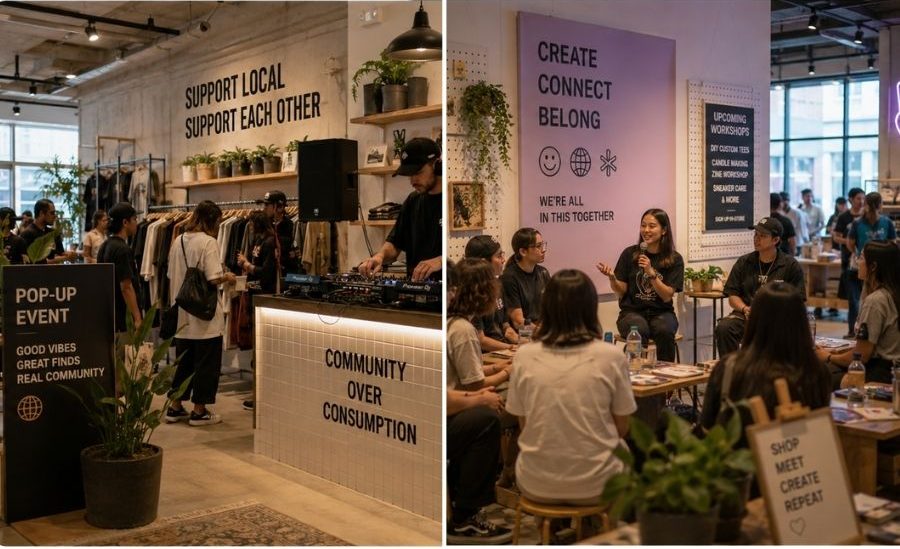
Pop-up events play a key role in building community by transforming a standard retail space into a social playground. Because Gen Z deeply values belonging and connection, they prefer to treat in-store visits as mini-adventures or hangouts rather than just simple errands. As we discussed in relation to other in-store events like workshops and creator collaborations, hosting pop-up events allows retailers to shift their focus away from pure commerce. Instead, these events turn shopping into an engaging, shared experience that successfully fosters community among shoppers.
What role do pop-up events play in building community

Why do Gen Z shoppers prefer experiences over simple transactions?
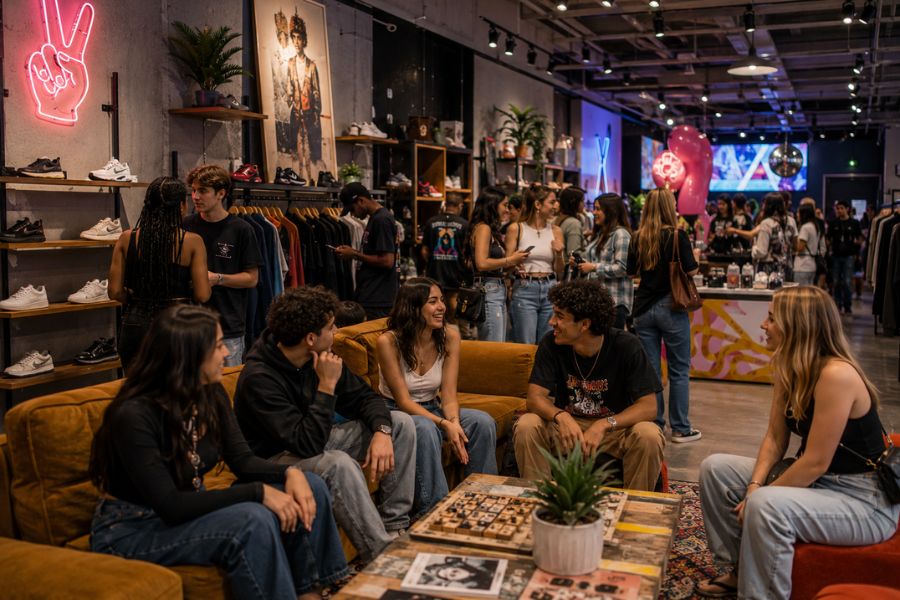
Gen Z shoppers prefer experiences over simple transactions because they do not want to just buy products; instead, they want to feel something. Rather than viewing shopping as a routine errand, this generation treats visits to physical stores as mini-adventures or hangouts. While they are highly engaged in online shopping, Gen Z actively craves the meaning, connection, and real-world experiences that offline retail environments uniquely offer. As we noted in our earlier discussions about in-store events, chill zones, and community building, they love spaces that feel less like traditional sales floors and more like engaging social playgrounds where shopping becomes a shared experience.
Why do Gen Z shoppers prefer experiences over simple transactions

How do interactive product demos enhance the in-store experience?
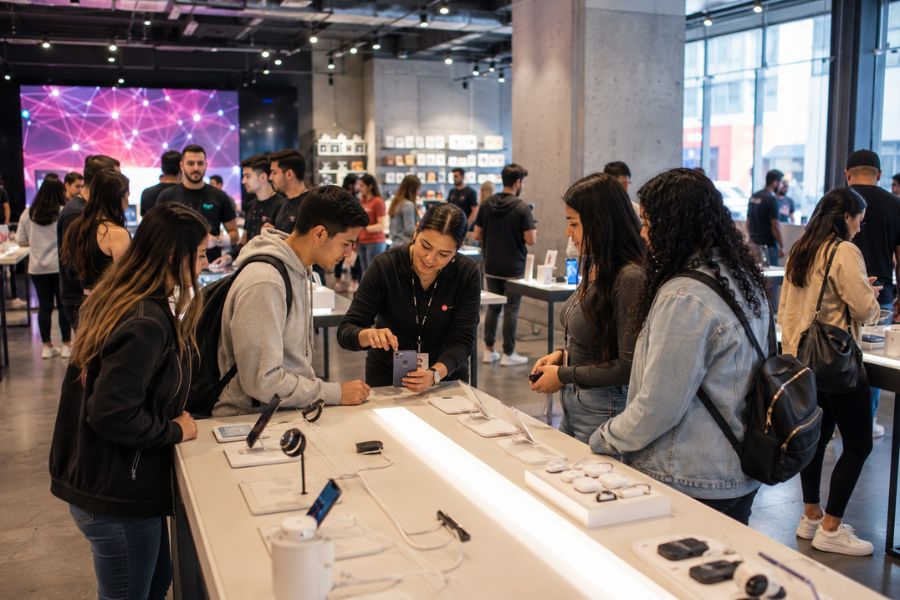
Interactive product demos enhance the in-store experience by satisfying Gen Z's deep preference for experiences over simple transactions. Because these shoppers don't just want to buy items but actually want to feel something, hands-on elements like interactive demos help turn a routine errand into an engaging mini-adventure or hangout. As we discussed in relation to other in-store features like chill zones and pop-up events, offering interactive product demos is a key way for retailers to transform a traditional sales floor into a fun, social playground.

How can retailers foster diversity and inclusion in-store?
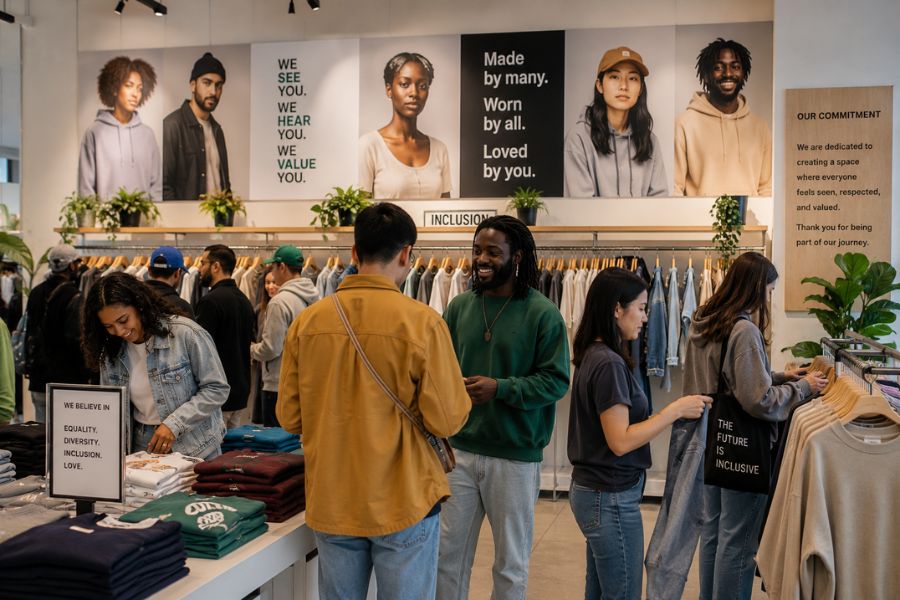
The provided sources do not detail specific programs or initiatives for fostering diversity and inclusion in-store. However, they emphasize that Gen Z shoppers "shop with their conscience" and care deeply about diversity and inclusion as core values. To effectively showcase a commitment to diversity and inclusion, retailers should focus on transparency and storytelling. As we discussed earlier regarding ethical sourcing and sustainability, stores must go beyond simply displaying a price tag and instead "tell a transparent story behind every product". By clearly communicating the brand's authenticity and commitment to inclusion, retailers can win the support of Gen Z shoppers, who are often willing to pay more for brands that reflect their personal values.
How can retailers foster diversity and inclusion in-store?

How can digital storytelling show a brand's authenticity?
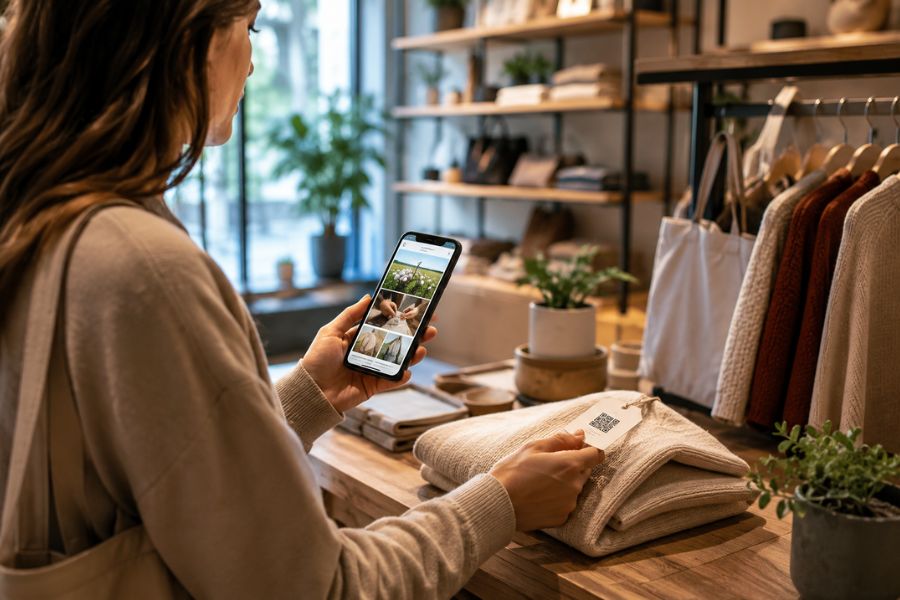
Digital storytelling can demonstrate a brand's authenticity by providing a "transparent story" behind every product, rather than just displaying a price tag. Because Gen Z "shops with their conscience," they are drawn to brands that actively reflect their personal values, such as ethical sourcing, sustainability, and diversity and inclusion. As discussed in our earlier conversation about QR codes, retailers can use digital tools to give shoppers instant access to this deeper product information. By using digital integrations to openly communicate these ethical commitments and the origins of their products, brands can build trust and prove their authenticity—factors that are so important to Gen Z that they are often willing to pay more for products that align with their values.
How can digital storytelling show a brand's authenticity?