Bridging Online and Offline Retail Experiences

Bridging Online and Offline Retail Experiences

The provided text explores the growing consumer demand for a unified shopping experience that blends digital convenience with physical storefronts. Modern shoppers now expect real-time information and personalized service, such as instant access to product reviews and inventory status, directly on the sales floor. By utilizing mobile technology and interactive displays, retailrs can bridge the gap between internet research and in-person browsing. The article emphasizes that successful businesses must integrate data-driven insights to offer tailored promotions and frictionless checkout options. Ultimately, the source highlights a significant shift where the traditional boundaries of retail are disappearing in favor of a cohesive, tech-enhanced journey.

Watch Our Podcast:

How can digital tools transform traditional in-store product discovery?

Digital tools can transform traditional in-store product discovery by integrating the convenience and personalization of online shopping into the physical retail environment. This hybrid approach reshapes how customers find and interact with products in several key ways:
How can digital tools transform traditional in-store product discovery?
Interactive and Immersive Technologies
Ultimately, blending these digital capabilities into physical stores creates a seamless, connected experience that satisfies the modern shopper's demand for ease, speed, and smart service during product discovery

How does augmented reality improve the in-store try-on experience?
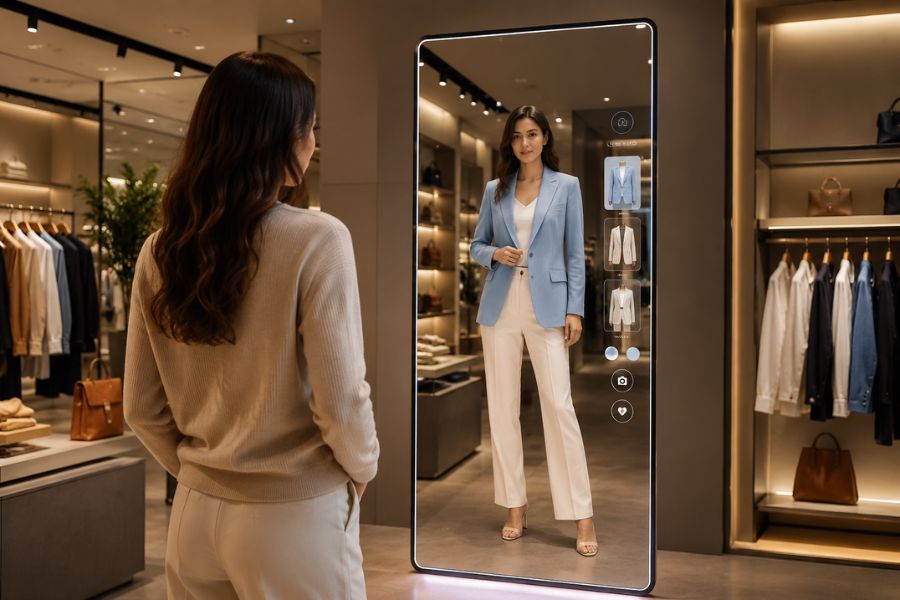
Augmented reality (AR) try-ons improve the retail environment by shifting the focus so that customers don't just buy products, but rather enjoy an engaging experience. Blending digital tools like AR into physical stores makes the overall in-store visit fun and frictionless. Please note that the provided sources do not offer specific details on the mechanics of how AR try-on technology works or exactly how it alters the physical fitting room experience, beyond adding this experiential layer.
physical fitting room experience

How can interactive displays make shopping more fun and frictionless?
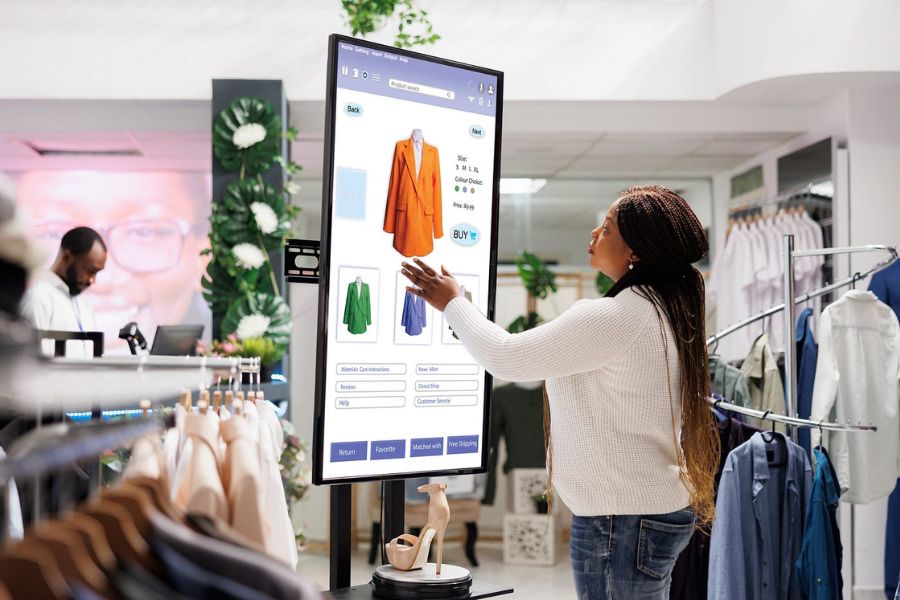
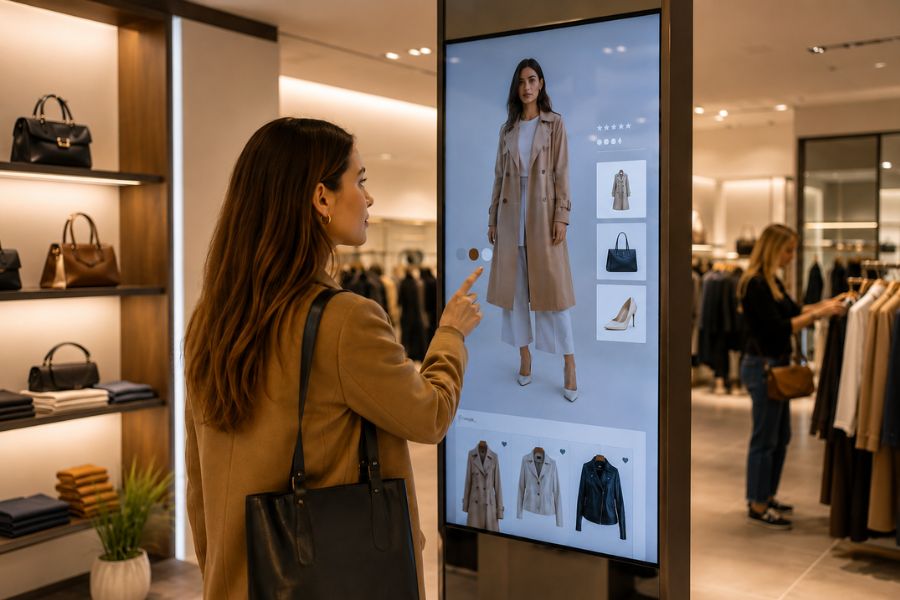
Interactive displays help shift the focus of a store visit so that customers don't just purchase items, but rather enjoy an engaging experience. Blending digital tools like interactive displays into physical retail environments is a key way to make the overall shopping trip fun and frictionless. Please note that the provided sources do not offer specific details on exactly how interactive displays function or what specific features they use to improve the shopping experience.
How can interactive displays make shopping more fun and frictionless

How can self-checkout kiosks reduce friction during a store visit?
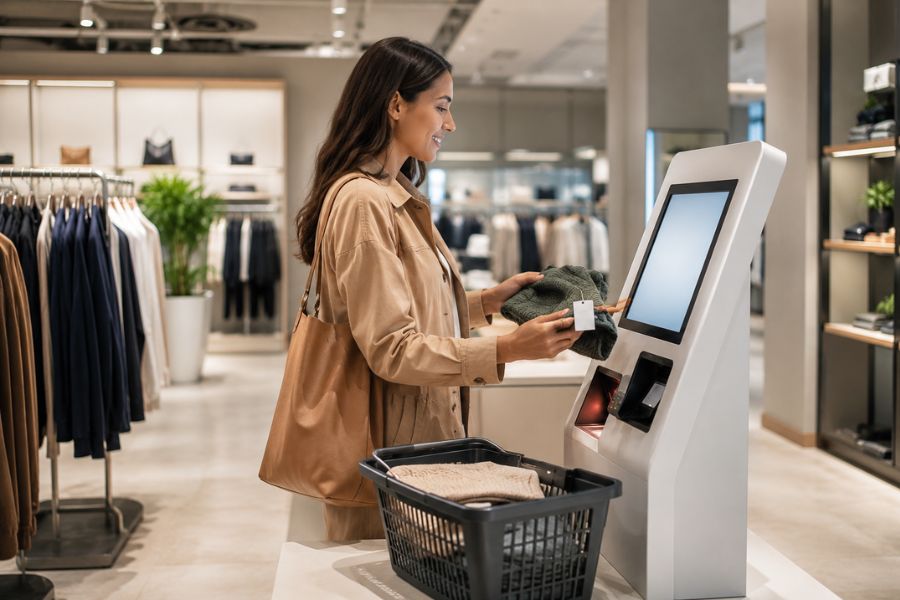
Integrating self-checkout kiosks into physical retail environments helps make the overall store visit fun and frictionless. Along with other digital tools, they shift the focus of shopping so that customers don't just purchase items, but rather enjoy an engaging experience. Please note that, similar to interactive displays and augmented reality, the provided sources do not offer specific details on exactly how self-checkout kiosks function or the specific ways they reduce friction during a store visit.
How can self-checkout kiosks reduce friction during a store visit?

How can QR codes provide personalized recommendations in-store?
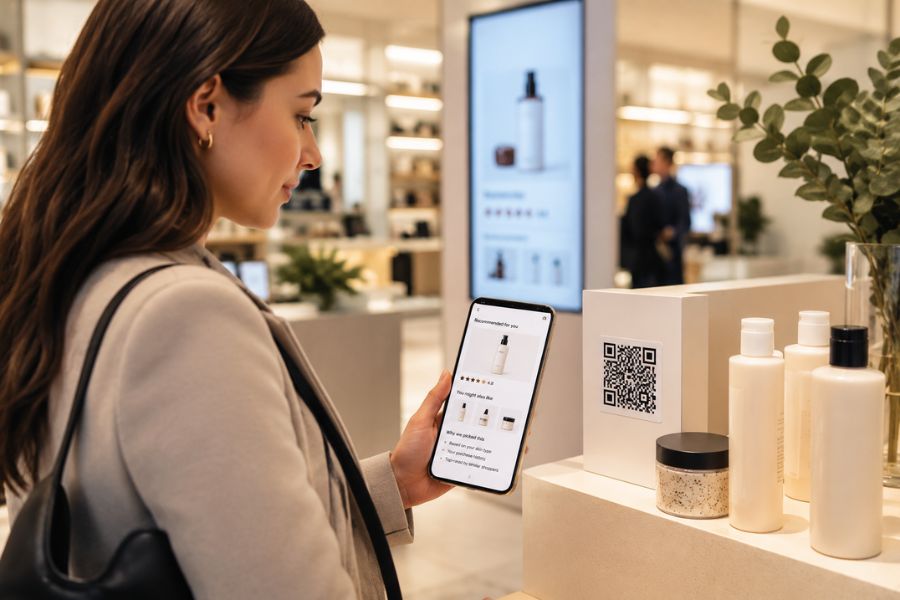
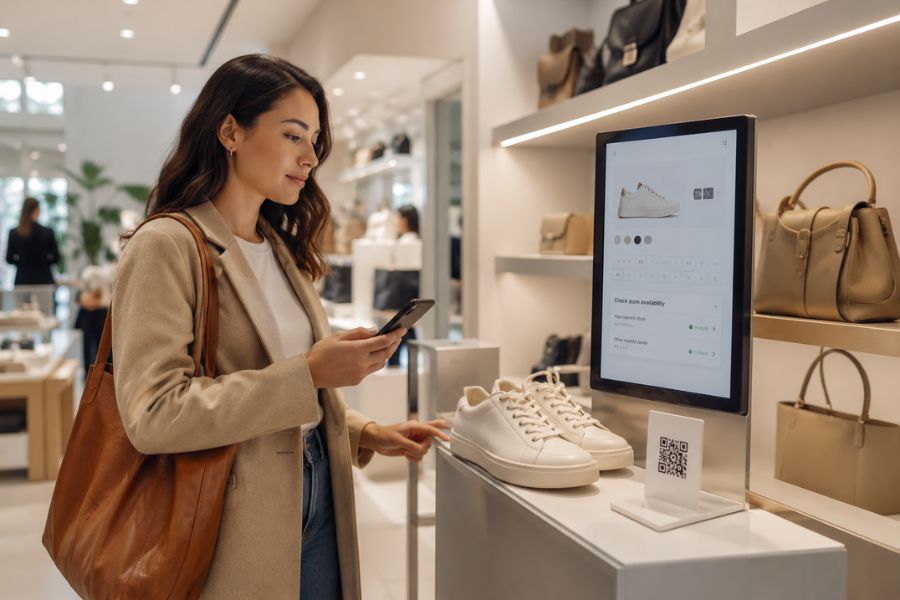
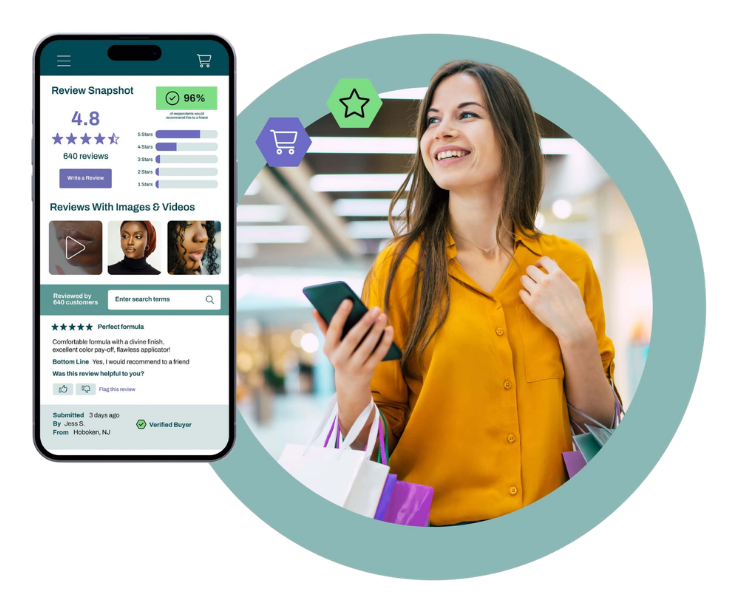
Customers expect Amazon-style convenience in physical stores, which includes a strong desire for personalized recommendations. However, the provided sources do not explain the specific mechanism of how QR codes are used to deliver these personalized recommendations. The sources do specify that shoppers want to quickly scan a QR code in-store to seamlessly access digital product information, such as reading reviews or watching demonstration videos. Separately, the text notes that customers desire data-driven interactions offline, expecting retailers to use their online preferences and tracking history to provide tailored promotions and recall past purchases
How can QR codes provide personalized recommendations in-store?

How do data-driven interactions enhance the in-store loyalty experience?
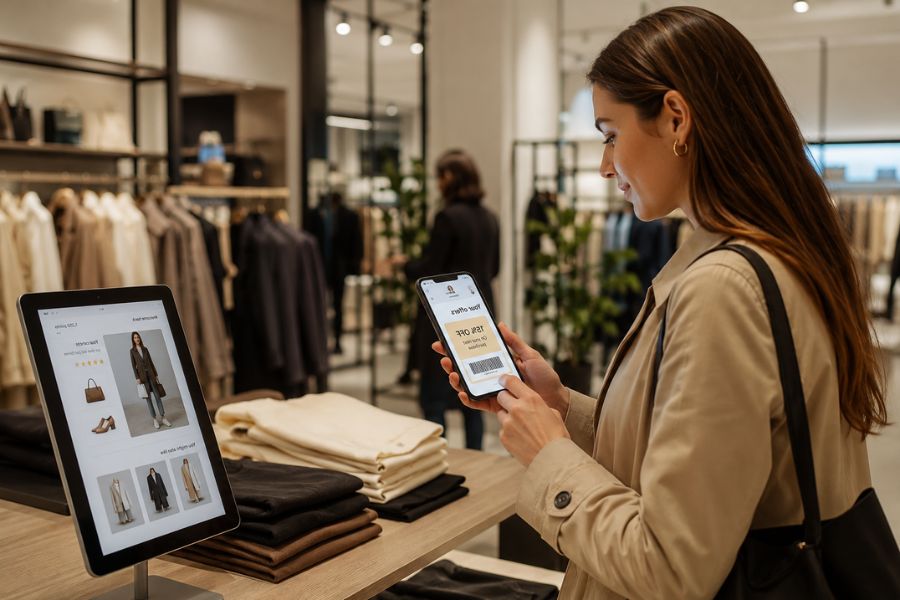
Data-driven interactions enhance the in-store loyalty experience by bringing the personalization of online shopping into the physical retail environment. Because online platforms track a customer's preferences and shopping history, consumers now expect retailers to use this data to provide the same customized experience offline. Specifically, data-driven interactions improve in-store loyalty through:
data-driven interactions
Unified Loyalty Programs

Customers expect their loyalty programs and apps to work seamlessly across both their online and in-store shopping journeys.

Tailored Promotions

Retailers can use gathered customer data to offer personalized discounts and promotions during a physical store visit.

Past Purchase Recall

Remembering what a customer has bought previously allows for better, personalized recommendations and provides the Amazon-style convenience shoppers desire.

Ultimately, utilizing data ensures that customers receive the same level of smart service and personalized attention whether they are shopping on their phone or standing in a physical store.

What is the impact of real-time stock visibility?
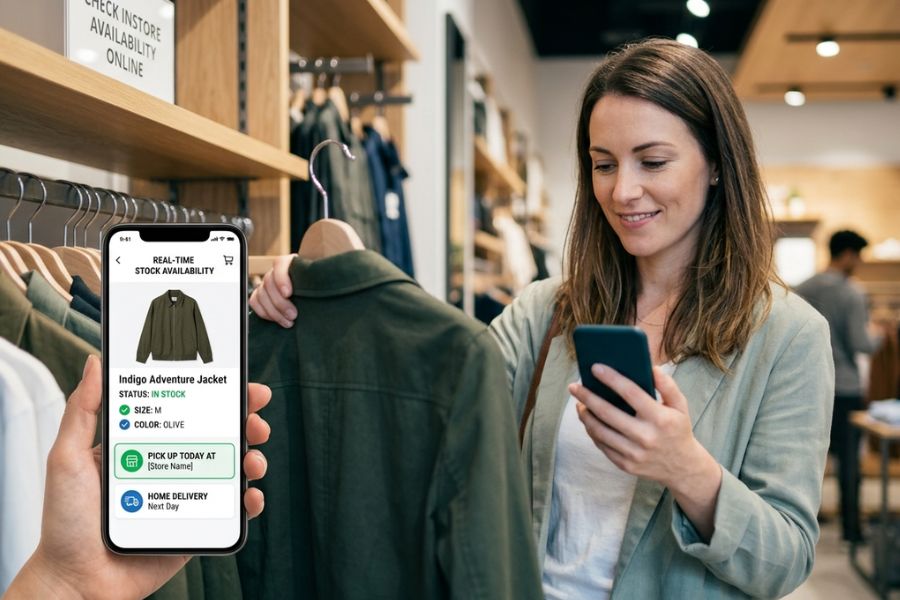
Real-time stock visibility allows consumers to instantly determine if an item is available in their specific size or color. It also provides shoppers with flexible fulfillment options, enabling them to know whether they can pick up an item immediately or if they need to order it for home delivery. Ultimately, providing this level of product discovery and availability relies on the successful integration of online capabilities into offline retail environments.

What role do mobile wallets play in the store visit?
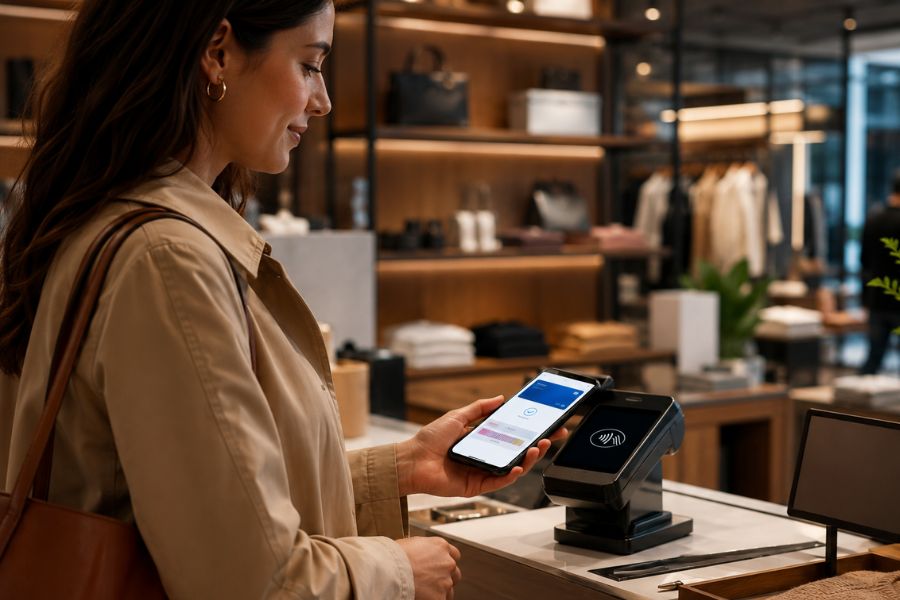
Mobile wallets act as a key component of the modern shopper's in-store toolset, turning their smartphone into a digital assistant. As customers walk into a physical retail space, they increasingly keep their phones out to use mobile wallets alongside loyalty apps, look up product reviews, and compare prices online. Together, these digital activities create a digital layer to guide the physical shopping journey, contributing to the seamless, connected experience that consumers now expect. Please note that, similar to previous discussions on augmented reality and interactive displays, the sources state that shoppers use mobile wallets but do not provide specific details on exactly how they are utilized during the checkout process.
What role do mobile wallets play in the store visit?

How can mobile wallets support unified loyalty programs?
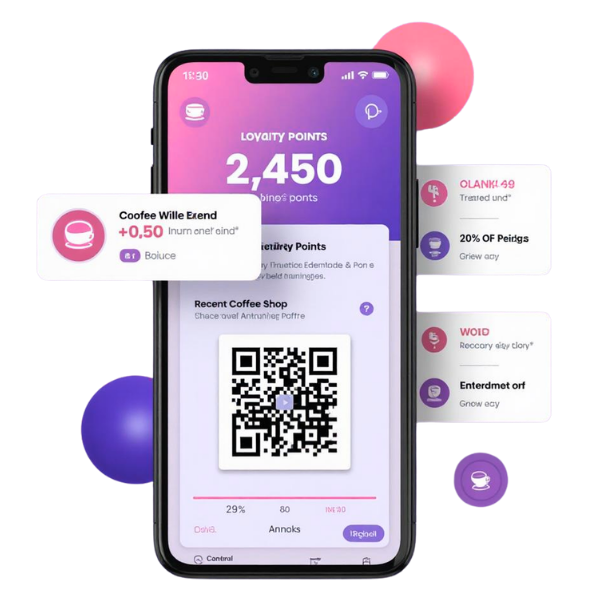
Customers use their smartphones as digital assistants in-store, utilizing mobile wallets and loyalty apps to create a digital layer that guides their physical shopping journey. At the same time, consumers increasingly expect unified loyalty programs that work seamlessly across both online and in-store environments to deliver tailored promotions and data-driven personalization. However, similar to previous discussions about other digital tools, the provided sources do not provide specific details on exactly how mobile wallets function to support or directly integrate with these unified loyalty programs.
How can mobile wallets support unified loyalty programs

What kind of digital product info do customers want?

When shopping in a physical store, customers expect to easily access several types of digital product information to guide their journey:
What kind of digital product info do customers want?
Price Comparisons

Shoppers frequently use their phones as digital assistants to compare in-store prices with online alternatives.

Real-Time Stock Availability

Consumers expect to instantly see if a product is available in their specific size or color.

Fulfillment Options

Customers want to know their options for acquiring an item, such as whether they can pick it up immediately or if they need to order it for home delivery.

Accessing this information seamlessly creates the "Amazon-style convenience" and digital layer that modern shoppers demand during their physical store visits

How can retailrs offer tailored promotions during a store visit?
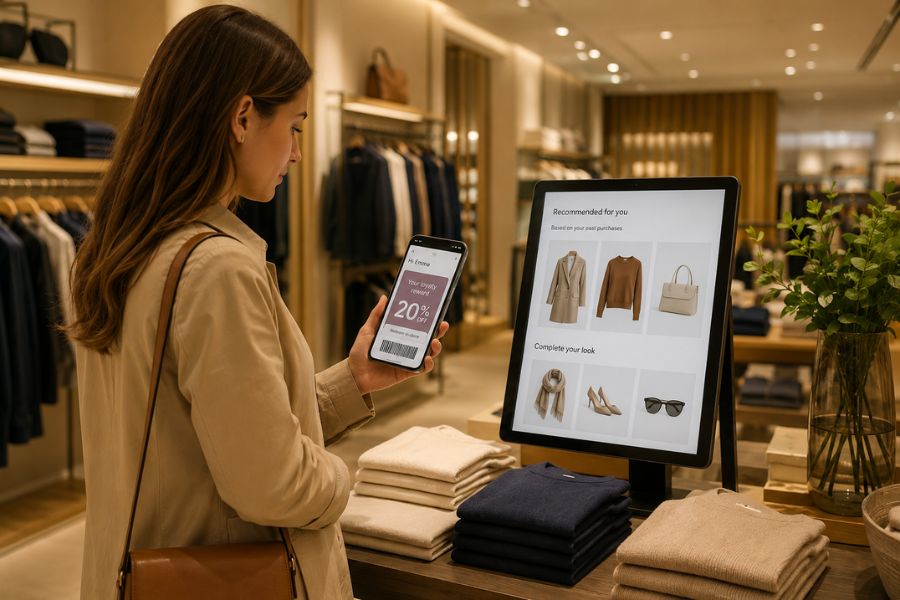
Retailrs can offer tailored promotions during a store visit by utilizing data-driven interactions. Because online platforms track a shopper's preferences and purchase history, customers now expect this same data to be used to bring "Amazon-style convenience" and personalization into the physical store environment.
How can retailrs offer tailored promotions during a store visit?

To deliver these tailored promotions, retailrs can leverage:

Unified Loyalty Programs

Utilizing loyalty programs that connect a customer's online and in-store shopping behaviors.

Past Purchase Recall

Using data on what a customer has previously bought to inform and customize the promotions they receive offline.


As we discussed previously, customers frequently facilitate this by keeping their smartphones out while shopping to access their loyalty apps, using them as a "digital assistant" to guide their journey. Please note that while the sources highlight using tracked preferences and integrated loyalty programs to provide these promotions, they do not detail the exact mechanisms of how the promotions are physically delivered to the customer (such as via push notifications, email, or at the register).