This script for the Restaurant Growth Hub by Foodcus podcast analyzes the massive success of the Starbucks Rewards program. The hosts describe how the coffee giant utilizes mobile technology and gamified rewards to transform casual customers into daily users. By integrating data-driven personalization, Starbucks ensures that marketing offers are specifically tailored to individual preferences, which significantly boosts revenue. The discussion emphasizes that modern loyalty programs must be digital-first and highly engaging to remain competitive. Ultimately, the source serves as a strategic guide for restaurant owners looking to implement tiered membership systems and seamless payment tools.
How does Starbucks use gamification and psychological loops to drive sales?
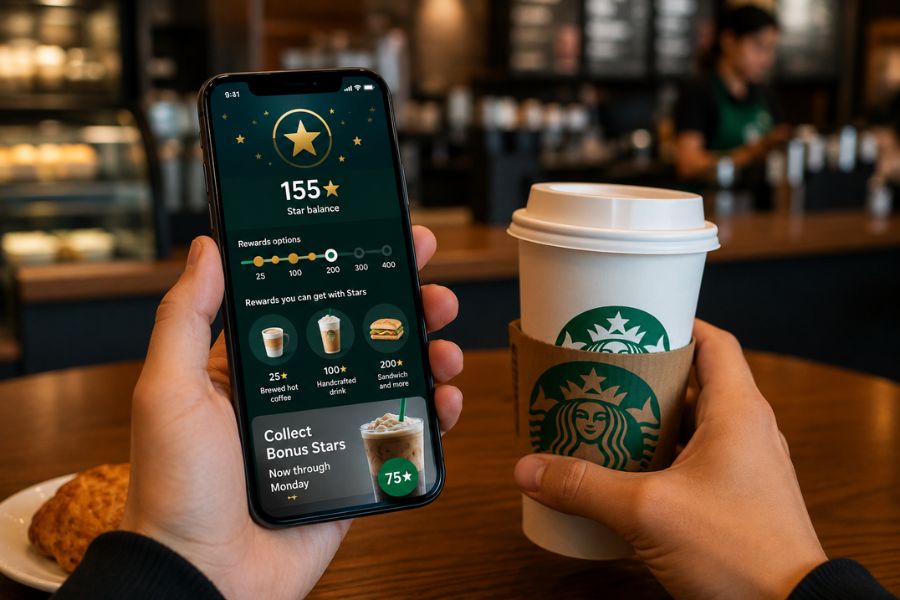
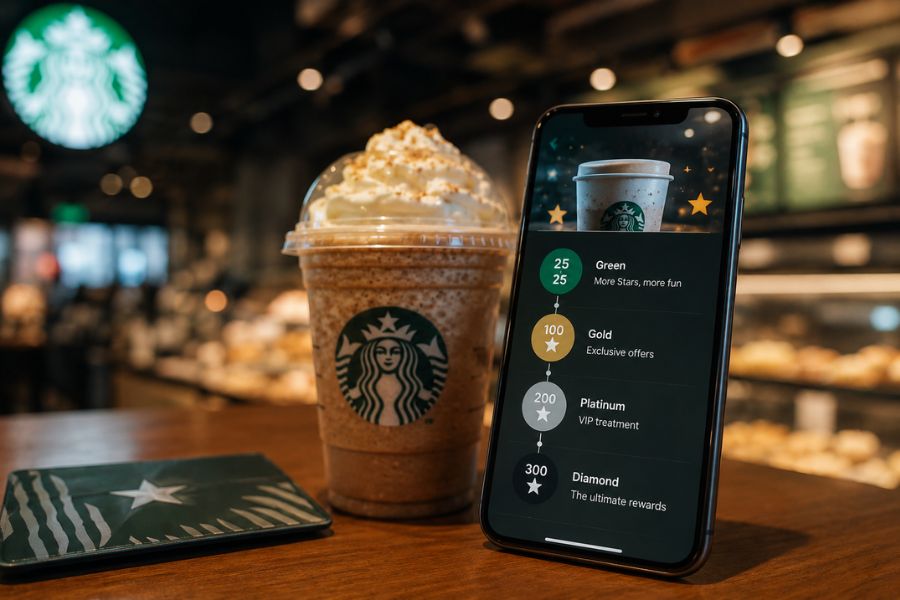
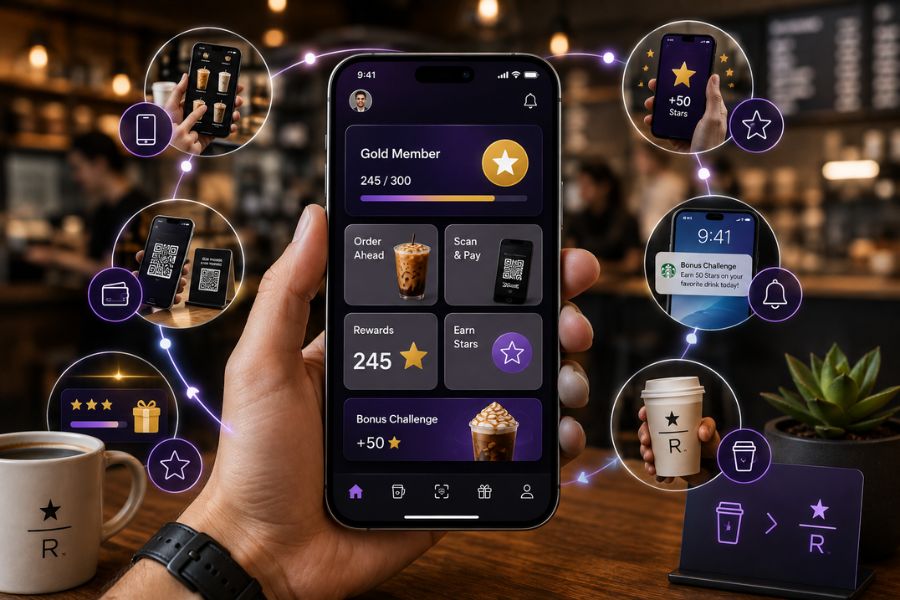
Starbucks uses gamification by designing its loyalty program so that customers earn "Stars" and chase different reward tiers rather than just collecting points. As customers accumulate stars, they unlock free food, drinks, and exclusive product drops, which makes buying coffee feel like leveling up in a video game.
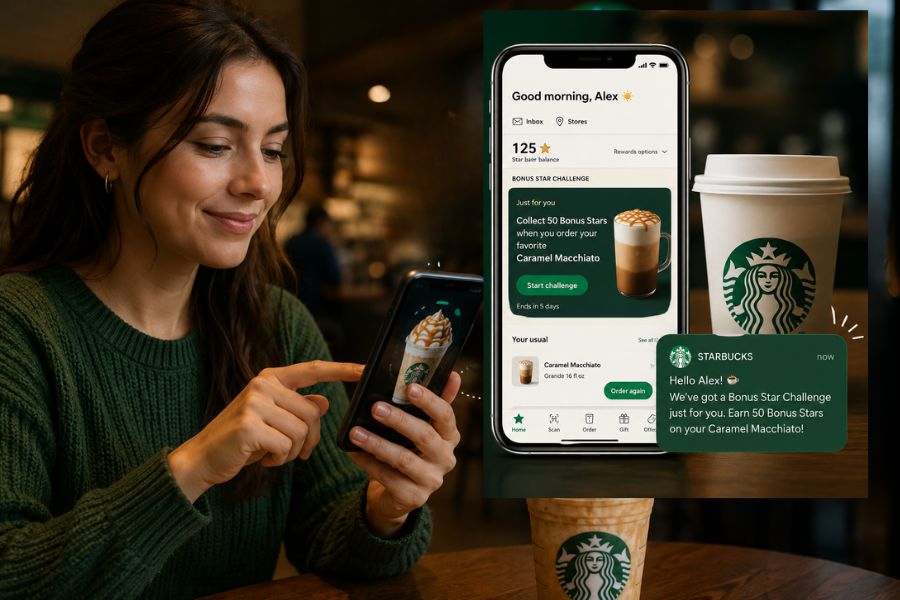
This gamified system taps directly into a psychological loop called the reward cycle. By making the purchasing experience fun, Starbucks creates a strong motivation for customers to return every day just so they do not "miss out" on rewards. To reinforce this loop, Starbucks also uses customer data to send hyper-personalized bonus star challenges, such as offering bonus stars for a specific drink a customer frequently orders. This combination of tiered progression and personalized challenges keeps users constantly engaged and drives frequent repeat sales.
How does Starbucks use customer data for personalization?
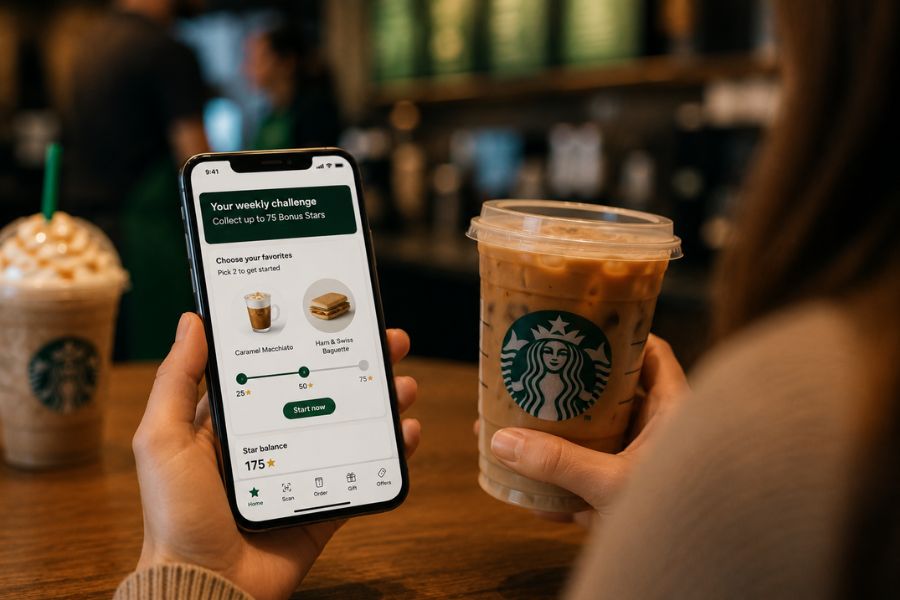
Starbucks uses customer data to deliver "hyper-relevant offers" tailored to individual users. By tracking a customer's purchase history and preferences—for example, knowing if they frequently order a specific drink like a caramel macchiato—Starbucks customizes weekly "bonus star" challenges to feature those exact items.
This data-driven personalization allows Starbucks to effectively use its app as a direct marketing channel, engaging customers through targeted push notifications, emails, and in-app games
How does the tiered reward system create bigger perks?
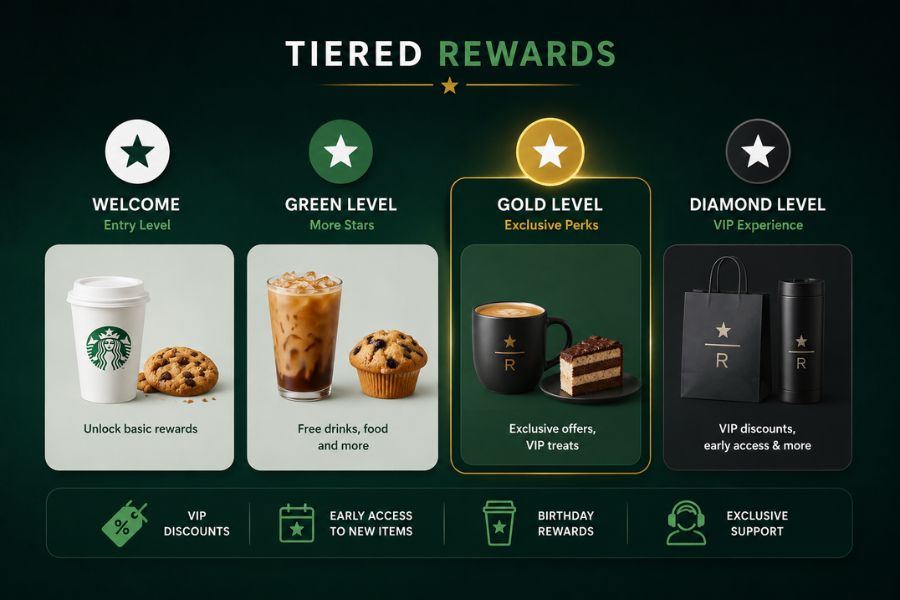
A tiered reward system works by offering entry-level rewards for anyone while reserving bigger perks for your most frequent customers.
By structuring a loyalty program this way, businesses can layer in exclusive benefits for those who reach higher tiers, such as early access to new menu items or VIP discounts. In the case of Starbucks, chasing these tiers allows customers to unlock free drinks, food, and exclusive product drops. This structure is central to the gamification strategy discussed earlier, as unlocking these escalating perks makes the experience feel like leveling up in a game rather than just making a purchase
What specific perks are available in each reward tier?
The provided sources do not break down the exact perks available at each specific Starbucks reward tier. They generally mention that customers can unlock free drinks, food, and exclusive product drops by participating in the program. The sources also note that a tiered system should provide entry-level rewards for all users while saving bigger perks, such as VIP discounts and early access to new menu items, for frequent customers.
How does the 'mobile-first' approach increase customer habit-forming?
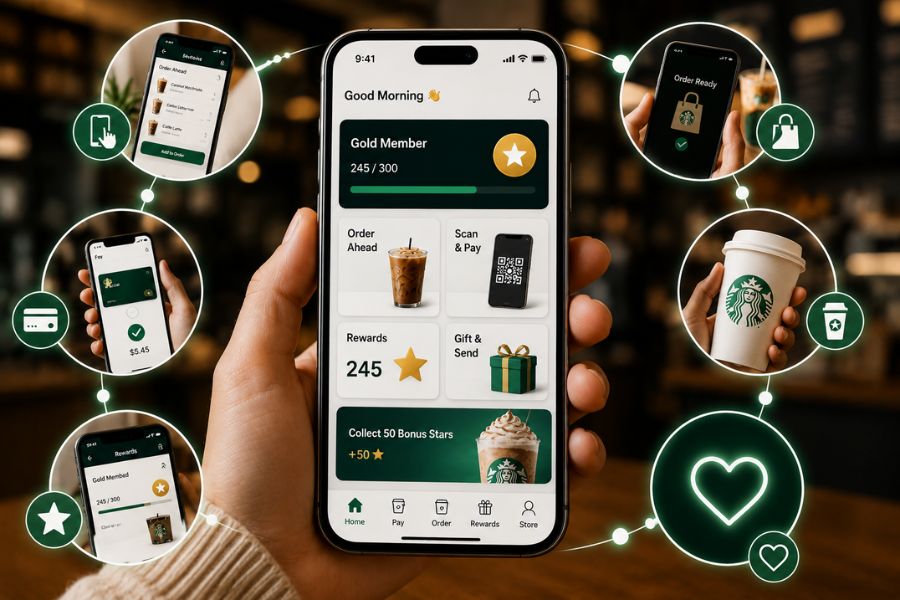
A "mobile-first" approach builds customer habits by ensuring the loyalty program seamlessly fits into people's daily routines. By providing an app that allows users to easily order ahead, pay, track their rewards, and tip their barista, the entire purchasing experience becomes incredibly smooth and even addictive.
Ultimately, whether a business uses a custom app or integrates the program with their point-of-sale system, a mobile-first strategy works because it makes the loyalty program feel like a natural part of a customer's "daily digital life"
What are the benefits of 'order ahead' for habit-forming?
The "order ahead" feature helps form customer habits by making the purchasing experience incredibly smooth and addictive. By allowing users to easily order ahead, pay, track their rewards, and tip their barista all in one place, the app seamlessly fits into people's daily routines. This level of convenience is a core part of a seamless mobile integration that ensures the loyalty program becomes a natural extension of a customer's "daily digital life"
What are the benefits of integrating loyalty with POS systems?
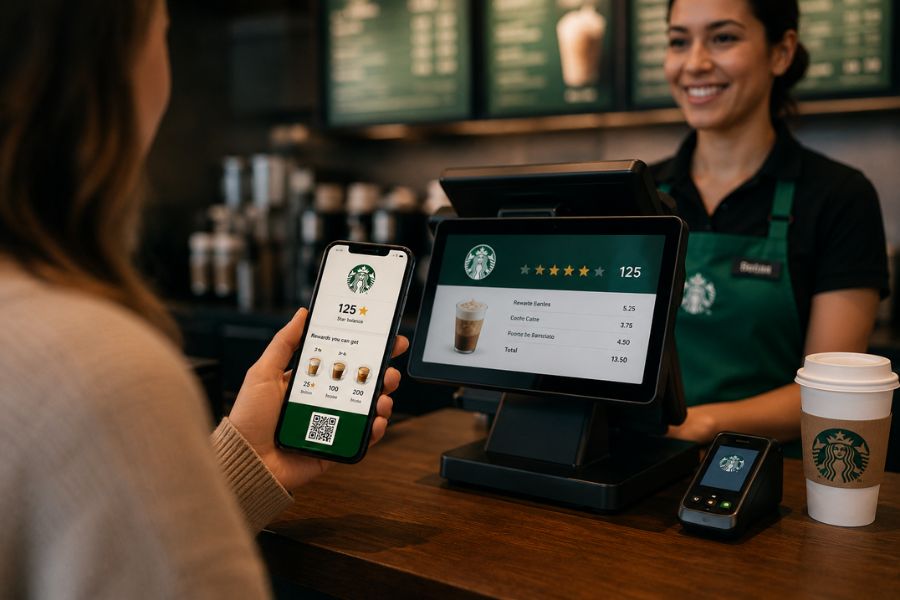
Integrating a loyalty program with a point-of-sale (POS) system is one way businesses can ensure their strategy is mobile-first. The primary benefit of this integration is that it makes the loyalty program feel like a natural part of a customer's "daily digital life". As discussed earlier, ensuring the program fits seamlessly into daily routines is essential for building strong, addictive customer habits.
How do bonus star challenges drive repeat sales?
Bonus star challenges drive repeat sales by utilizing personalization and customer data to deliver "hyper-relevant offers". Starbucks tracks individual purchasing habits—such as frequently ordering a caramel macchiato—and then features those exact favorite items in a customer's weekly bonus star challenge.
By targeting customers with tailored offers for items they already enjoy, Starbucks creates a highly compelling incentive for them to return and make a purchase. This strategy relies on tech and data to turn the app into an effective direct marketing channel. Additionally, these personalized challenges feed into the gamified "reward cycle" discussed earlier, motivating customers to keep coming back so they do not "miss out" on earning extra perks