
Boosting Restaurant SEO Through Customer Reviews 

Boosting Restaurant SEO Through Customer Reviews

This transcript from the Restaurant Growth Hub podcast explores how detailed customer reviews significantly improve a business's local SEO rankings. The host explains that when patrons mention specific menu items, Google’s algorithm uses those keywords to enhance discoverability and voice search results. To capitalize on this, restaurant owners are encouraged to solicit feedback regarding specific dishes and incorporate those terms into their public responses. The episode also highlights how automated platforms like Foodcus can streamline the management of these reviews to maintain a competitive edge. Ultimately, the source emphasizes that user-generated content serves as a vital tool for building online credibility and attracting new diners.

How can specific dish reviews improve my restaurant's search ranking?
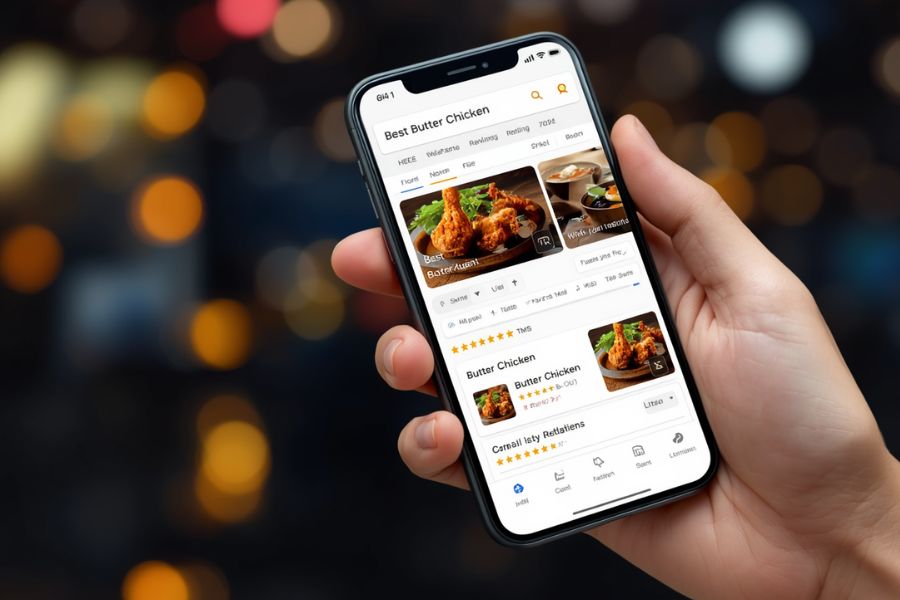
Specific dish reviews act as user-generated keywords that Google picks up when determining search rankings. When customers leave detailed reviews about specific dishes rather than generic praise (like simply saying "Great sushi"), it improves your local SEO in several key ways:
How can specific dish reviews improve my restaurant's search ranking?
Improves Discoverability through Tagging

Google's review tagging system automatically highlights commonly mentioned dishes. If multiple customers rave about your "truffle pasta," Google will strongly associate that specific dish with your restaurant.

Optimizes for Voice Search

Many users search for food using specific voice commands, such as asking for the "best chicken tikka masala near me". Having these exact dishes frequently mentioned in your reviews significantly increases your chances of appearing in voice search results.

Provides a Competitive Edge

Highly specific dish descriptions (e.g., a "juicy wagyu burger with caramelized onions") make your listing appear more relevant to Google. This helps you outrank competitors who may serve the same food but only have generic reviews.

Increases User Engagement

Detailed dish reviews naturally encourage potential customers to spend more time reading your listing. This longer engagement time signals to Google that your restaurant's profile is valuable, which further boosts your ranking.

To maximize this SEO boost, you can actively prompt customers to mention their favorite dishes when asking for reviews, and further reinforce those terms by replying to reviews using the same dish-based keywords

How do I respond to reviews to reinforce keywords?
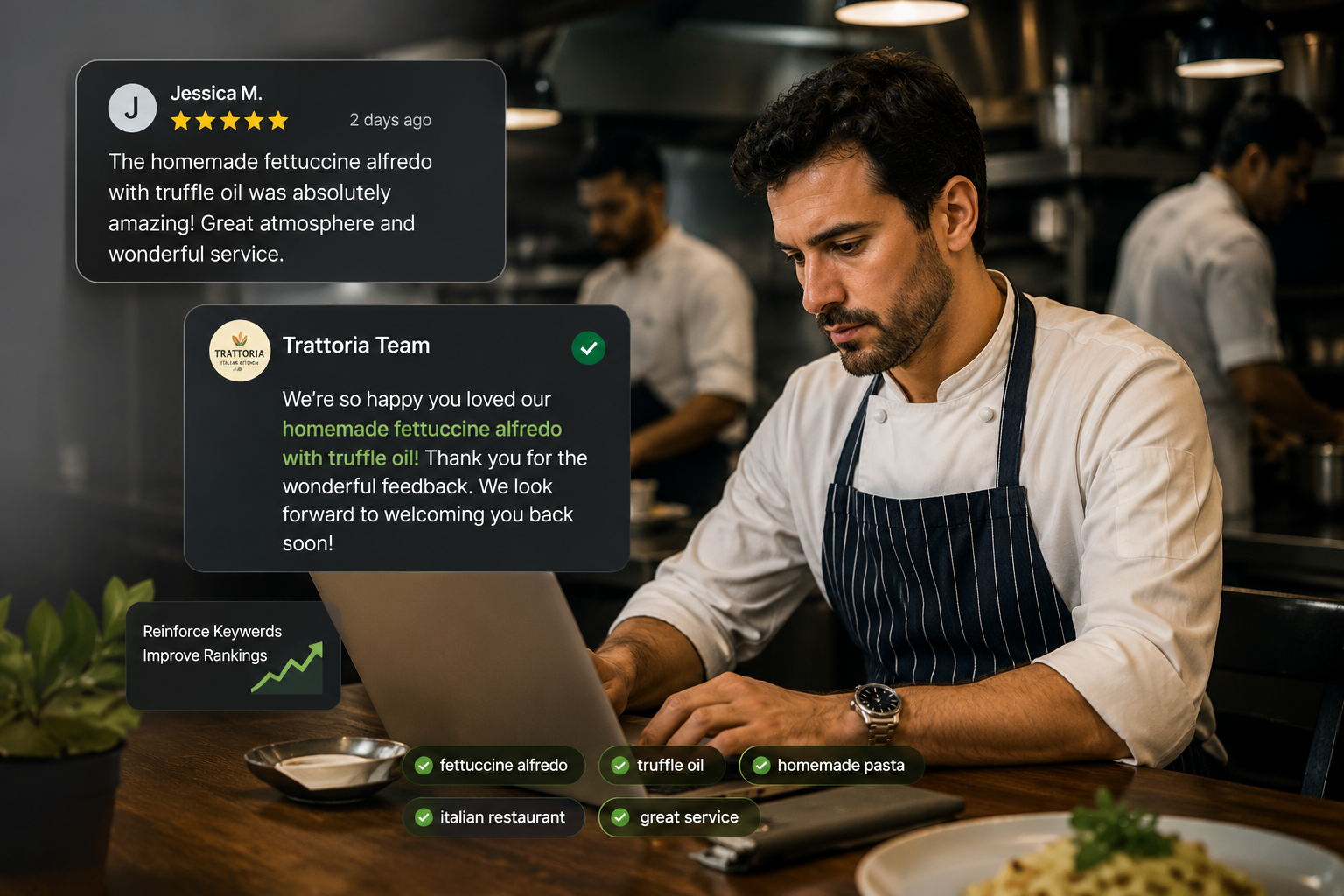
To reinforce keywords when replying to customer reviews, you should actively include the specific names of dishes and related descriptive terms in your responses. For example, instead of leaving a generic "Thank you," you can reply with a detailed statement like, “We’re so happy you loved our homemade fettuccine alfredo with truffle oil!”. By echoing the customer's specific praise, you reiterate the dish-based keywords that Google's search algorithms pick up on, which further helps to improve your restaurant's local search ranking and overall discoverability.
How do I respond to reviews to reinforce keywords?

What questions should I ask customers to get better reviews?

Instead of simply asking customers to "Please leave us a review," you should ask specific questions that prompt them to mention exact menu items, such as "What dish did you love the most today?". By asking this type of question, you encourage customers to naturally include dish-based keywords in their feedback, which generates the detailed, specific reviews needed to boost your local SEO.
What questions should I ask customers to get better reviews?

How can I use QR codes to encourage specific reviews?
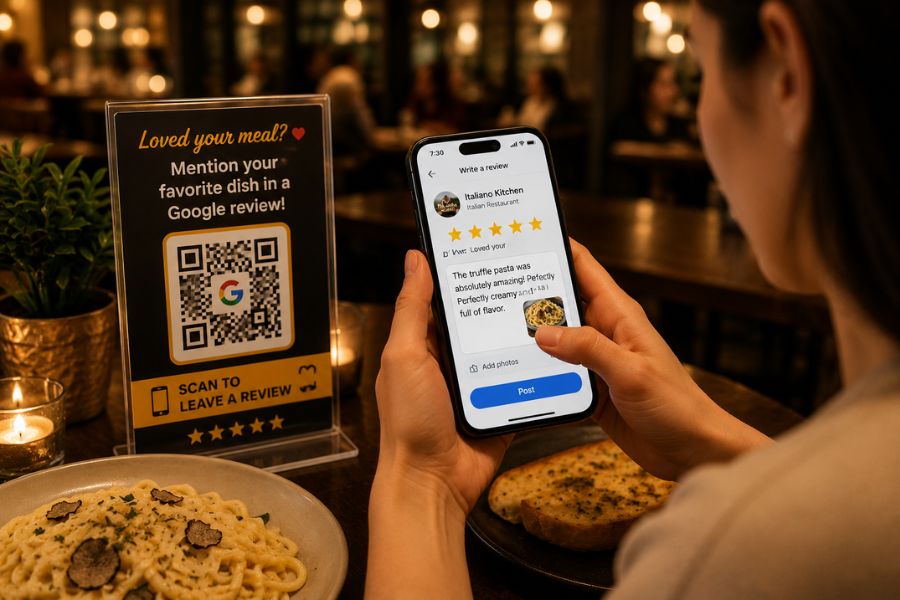
You can use QR codes by placing them on table tents or signs directly on your restaurant's tables. To effectively encourage specific reviews, you should pair the QR code with a targeted prompt rather than just a generic request. For example, your sign could say, "Loved your meal? Mention your favorite dish in a Google review!". By providing this specific call-to-action right at the table, you guide customers to write the highly detailed, dish-based keyword reviews that are essential for improving your local SEO and standing out to Google's search algorithms. This works hand-in-hand with the strategy of asking customers what their favorite dish was, making it as easy as possible for them to leave the exact type of feedback that boosts your ranking
How can I use QR codes to encourage specific reviews?

How can I use social media to encourage detailed reviews?
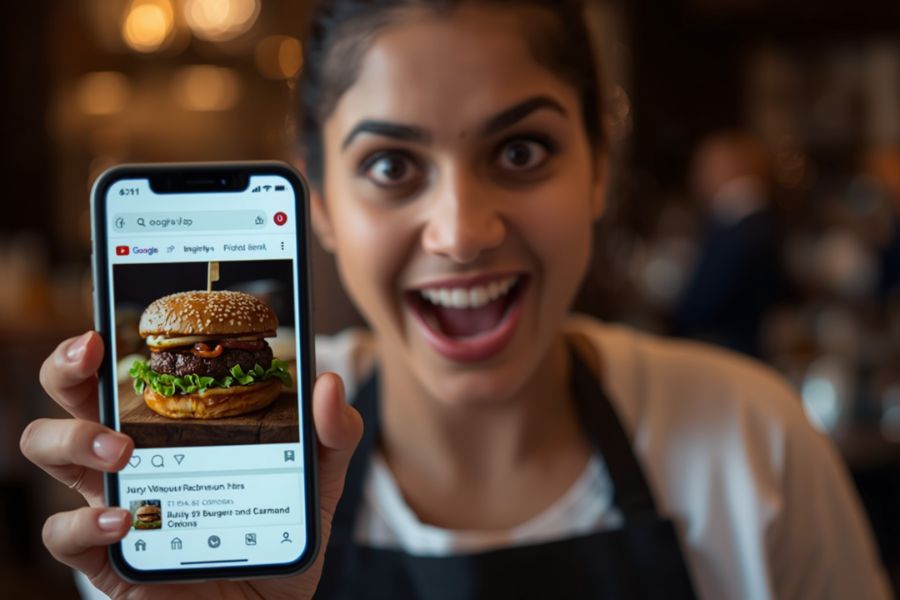
You can use social media to encourage detailed reviews by sharing the positive, detailed reviews you already receive on platforms like Instagram or Facebook. By publicly showcasing this specific type of feedback, you naturally encourage other customers to leave similar, highly detailed reviews about their own dining experiences
How can I use social media to encourage detailed reviews?

How can Retailr AI help automate these review requests?
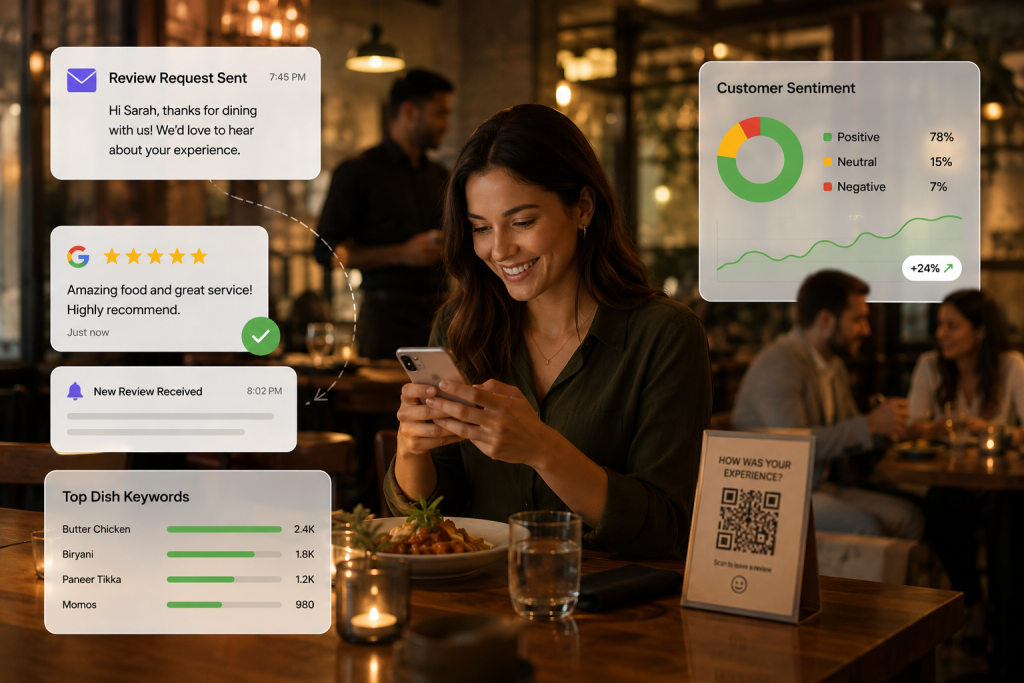
Based on the provided sources, there are no specific details on other ways retailr AI saves time for owners beyond the review management features we have already discussed. The sources mention generally that retailr AI is designed to handle the customer-facing side of the business so that owners can "focus on your food while they focus on your customers". It is described as a platform that helps with "everything else" so you can concentrate on your passion. The only specific time-saving features listed in the text are the abilities to automate review requests, track customer sentiment, and highlight dish-based keywords to improve your local search ranking.
How can Retailr AI help automate these review requests?

What does Google's review tagging system do?
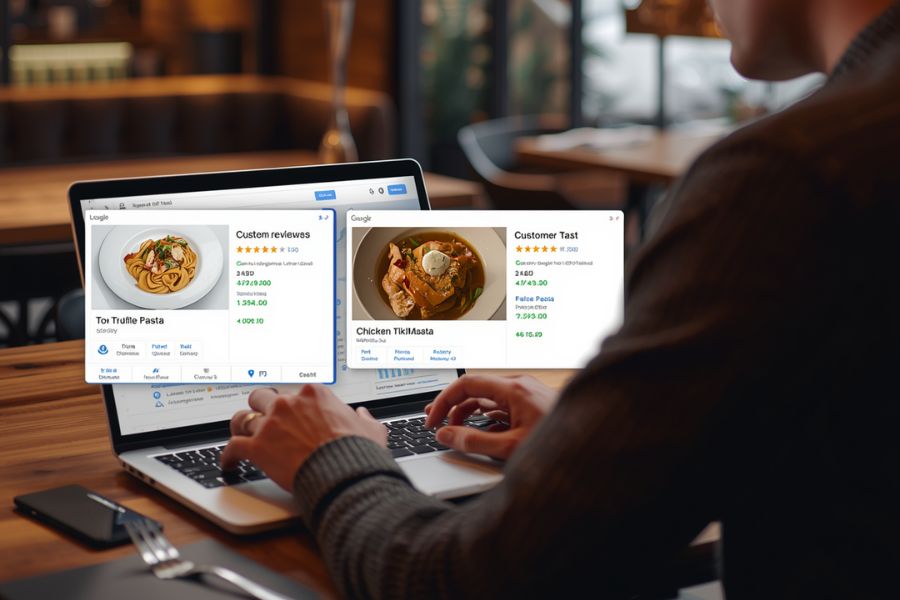
Google's review tagging system automatically highlights commonly mentioned dishes from your customer reviews. When multiple customers praise a specific item, such as "truffle pasta" or "birria tacos," the system creates a strong association between those specific dishes and your restaurant. This process improves your restaurant's discoverability by utilizing these user-generated, dish-based keywords to boost your local SEO .
What does Google's review tagging system do?

How do these reviews improve voice search results?
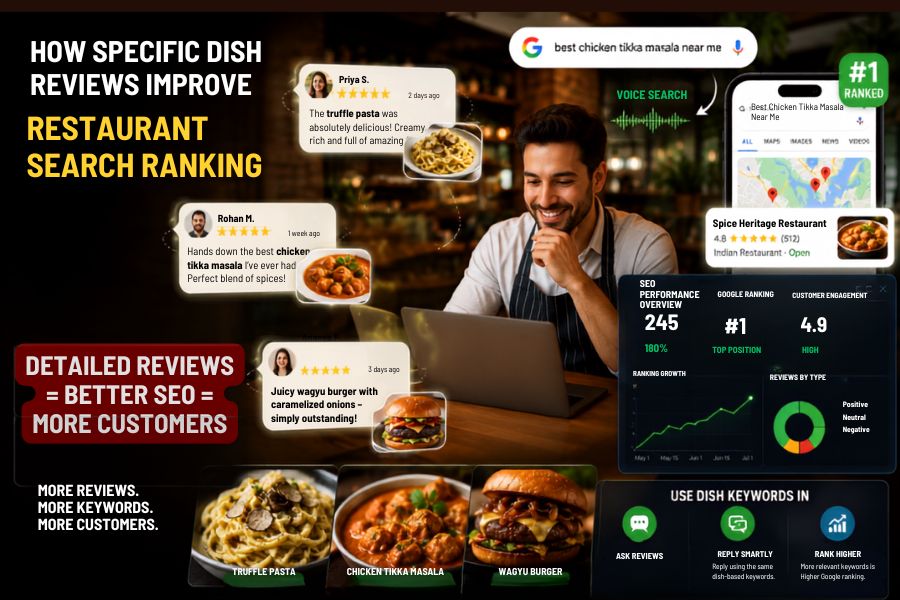
Detailed dish reviews improve voice search results by aligning with how people naturally speak when using voice assistants. Because users increasingly search for food by asking their devices specific, conversational questions—such as "Where can I find the best chicken tikka masala near me?"—having those exact dish names frequently mentioned in your customer feedback creates a strong keyword match. When your reviews consistently contain these specific dish-based keywords, your restaurant has a much higher chance of appearing in the results for those exact voice queries.
How do these reviews improve voice search results?
