

Handling Negative Restaurant Reviews Effectively
Watch the Full Podcast
What are common mistakes to avoid when responding to reviews?
- Ignoring the review completely: Failing to respond makes your business appear unresponsive and unprofessional. It's crucial to always acknowledge the feedback to show you care.
- Getting defensive or arguing: It is easy to take bad feedback personally, but arguing with a customer online will only make the situation worse. Instead, remain professional and focus on finding a solution.
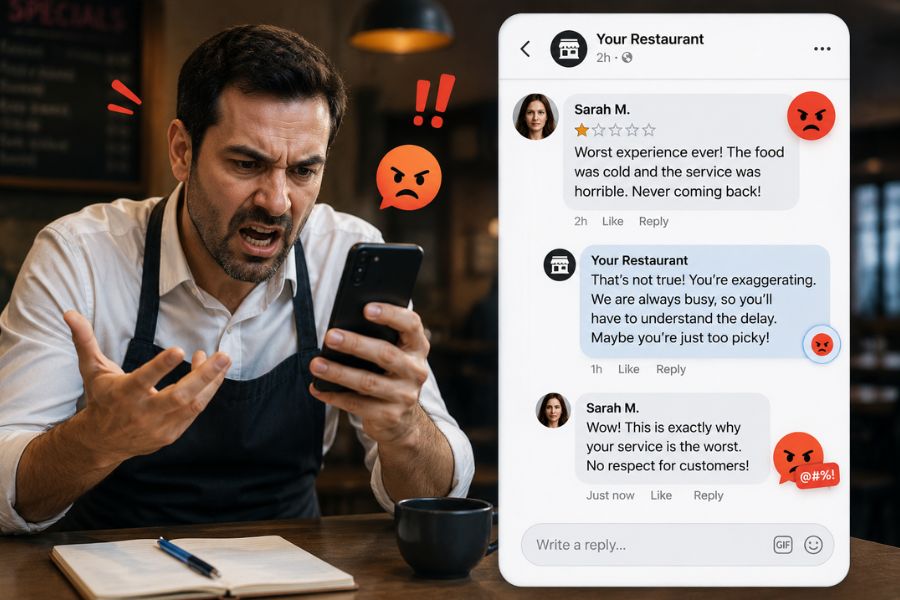
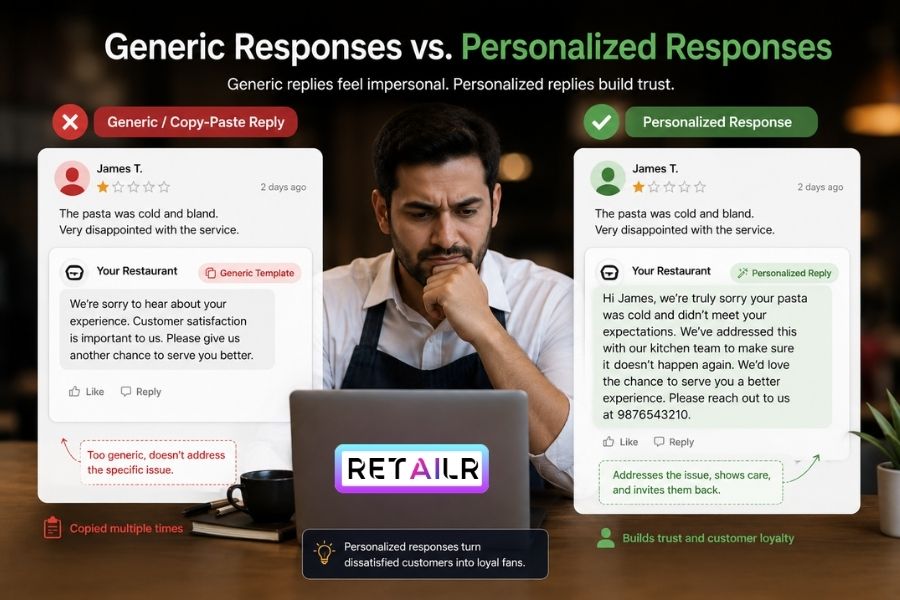
- Giving a generic response: Simply saying "We're sorry for your experience" is not enough. You should personalize your response to address the specific situation, such as mentioning the exact issue (like long wait times) and explaining how you plan to improve.
- Not offering a resolution: A strong response should include a way to make things right. You can encourage the reviewer to come back for a better experience or provide direct contact information so you can discuss the matter further privately.
How can I turn a negative review into an opportunity?
- Gain valuable insights by treating negative reviews as a tool to identify genuine issues within your restaurant, such as slow service or a dish that isn't up to par. Addressing the specific problems highlighted by customers provides an opportunity to improve your overall business operations.
- Strengthen your online reputation by demonstrating to both current and potential customers that you are proactive and willing to improve. When managed correctly, addressing bad reviews head-on can actually enhance your restaurant's public standing.
- Win the customer back by crafting a strategic and professional response that encourages them to give you another chance. To do this effectively, you should:

Thank the customer
for taking the time to leave feedback, even when it is negative.
Acknowledge the specific issue
Acknowledge the specific issue
Apologize and briefly explain
the situation, making sure to own up to any mistakes.
Offer a solution
such as an invitation to return, a discount, or reassurance that you are working hard to fix the problem.
Take the conversation offline
by providing direct contact information so you can speak privately and personally assist them in making things right.
How can sentiment analysis tools help manage customer feedback?
How can technology like Retailr AI help manage my reviews?
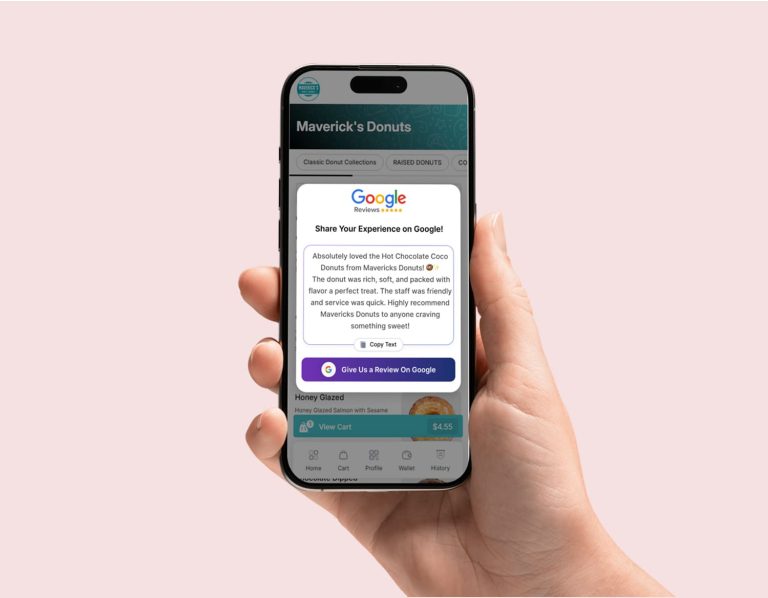
Automated alerts
to notify you whenever new reviews are posted.
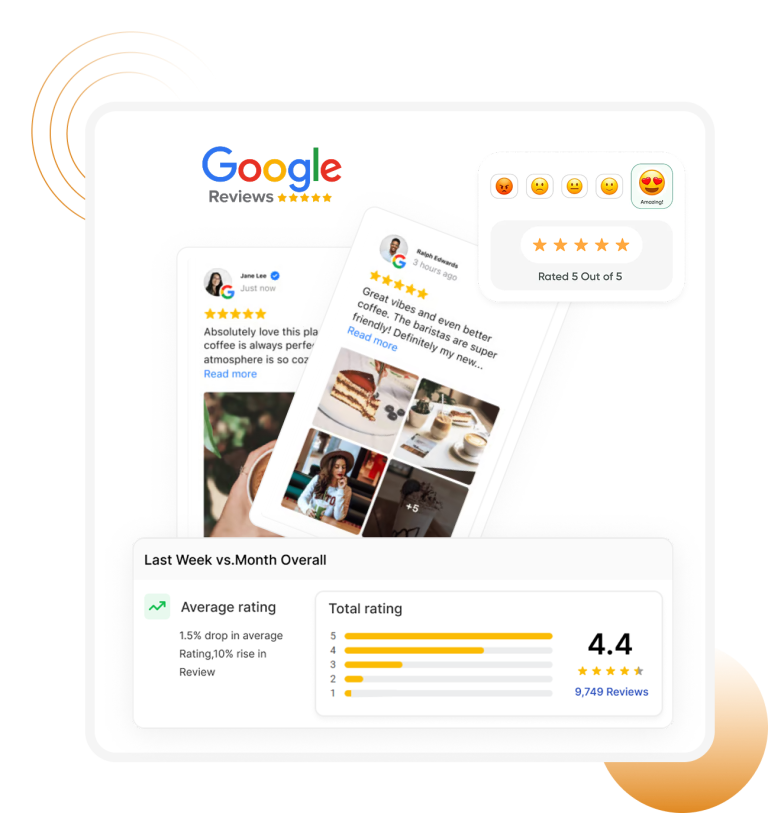
Sentiment analysis
to easily gauge the tone of customer feedback.
Response templates
to help you quickly and professionally reply to customers.
Tell me more about how sentiment analysis works
Text Breakdown
The software processes the review by breaking sentences down into individual words and phrases.
Overall Categorization
The tool aggregates the scores of the individual phrases to calculate an overall sentiment rating for the entire review.
Contextual Understanding
Advanced sentiment analysis tools go beyond simple keywords and analyze the grammar and context to grasp the true meaning. They can detect negations (understanding that "not good" is negative despite the word "good") and can sometimes even identify sarcasm.
Keyword Detection and Scoring
The algorithm scans the text for specific sentiment-bearing words. It assigns positive, negative, or neutral scores to these words. For instance, words like "delicious," "excellent," or "friendly" are scored positively, whereas "cold," "rude," or "bland" are scored negatively.

